


Eredità Mineraria
Viaggio tra siti minerari, memoria storica e paesaggi sospesi nel tempo
Panoramica
Questo itinerario attraversa il Sulcis Iglesiente e la Costa Verde, seguendo le tracce di un passato minerario che ha modellato paesaggi, architetture e identità. È un viaggio diverso dagli altri: qui il mare e la natura dialogano continuamente con ciò che resta dell’attività umana, tra strutture sospese sul vuoto, villaggi operai e silenzi che raccontano storie di lavoro e fatica.
Si parte da Iglesias, cuore storico e culturale del territorio minerario, punto di riferimento per comprendere l’intero sistema estrattivo della zona. Da qui si prosegue verso la costa fino a Porto Flavia, un capolavoro di ingegneria mineraria incastonato nella roccia, affacciato su uno dei panorami più iconici della costa. Poco distante, Cala Domestica unisce il fascino di una cala selvaggia ai resti delle antiche attività estrattive, creando un contrasto unico tra natura e archeologia industriale.
Il percorso prosegue verso Buggerru, piccolo borgo affacciato sul mare e profondamente legato alla storia mineraria, prima di addentrarsi nell’entroterra fino a Ingurtosu, dove il tempo sembra essersi fermato tra edifici abbandonati e paesaggi sospesi.
Dalle colline si torna poi verso la costa, fino alle dune imponenti di Piscinas, dove la natura ha lentamente riconquistato gli spazi un tempo dominati dall’uomo. Poco più a nord, Funtanazza racconta un’altra pagina di questa storia, con i suoi resti affacciati su un mare spesso mosso e potente.
L’itinerario si chiude a Montevecchio, uno dei complessi minerari più importanti della Sardegna, dove strade, edifici e strutture raccontano in modo diretto e autentico la vita di un’intera comunità legata all’estrazione.
È un viaggio che alterna scogliere e deserti di sabbia, mare aperto e colline silenziose, ma soprattutto è un percorso nella memoria: ogni tappa aggiunge un tassello a una storia fatta di lavoro, ingegno e trasformazione del paesaggio. Qui la Sardegna mostra uno dei suoi volti più autentici, lontano dai cliché, ma incredibilmente potente.
Eredità Mineraria
🕒 5 Giorni
🏰 8 Tappe
Segui l'ordine che preferisci
Scegli le tappe che ti interessano
Prenota in autonomia
700 €
Prezzo indicativo per persona. Costi soggetti a variazioni in base a stagione, strutture scelte e servizi inclusi.
- GIORNO 1
- GIORNO 2 - MATTINA
- GIORNO 2 - POMERIGGIO
- GIORNO 3 - MATTINA
- GIORNO 3 - POMERIGGIO
- GIORNO 4 - MATTINA
- GIORNO 4 - POMERIGGIO
- GIORNO 5
Iglesias
Ingresso
Libero
Durata
3 ore
Difficoltà
Facile
📖 Il Contesto
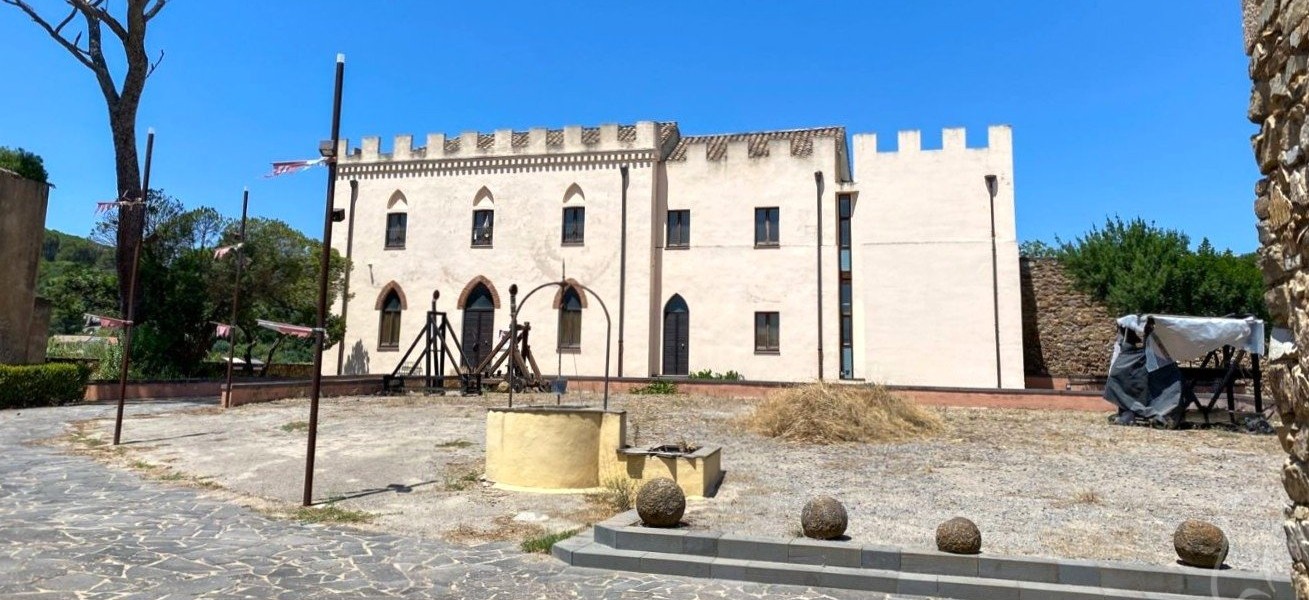
Iglesias è il cuore storico del Sulcis Iglesiente e rappresenta il punto di partenza ideale per comprendere la storia mineraria di questo territorio. Fondata in epoca medievale e sviluppatasi sotto la dominazione pisana, la città ha vissuto per secoli in stretta connessione con l’attività estrattiva.
A pochi passi dal centro si trova la Miniera di Monteponi, uno dei complessi minerari più importanti dell’isola, simbolo di un’epoca in cui Iglesias era uno dei principali poli industriali della Sardegna.
Ancora oggi, tra edifici storici e strutture industriali, si percepisce chiaramente il legame tra la città e il suo passato minerario
.
🏭 La Struttura
La Miniera di Monteponi è un vasto complesso di archeologia industriale che conserva alcune delle strutture più significative dell’attività estrattiva sarda. Tra queste spicca il Pozzo Sella, uno dei simboli più riconoscibili del sito, insieme agli edifici direzionali, alle laverie e alle strutture dedicate alla lavorazione dei minerali, che raccontano in modo concreto l’organizzazione e la complessità del lavoro minerario.
L’area è visitabile in parte liberamente dall’esterno, permettendo di muoversi tra gli edifici e osservare da vicino le architetture industriali. Per un’esperienza più completa, è consigliato partecipare a visite guidate organizzate, che consentono di accedere a spazi interni e approfondire la storia della miniera, le tecniche di estrazione e la vita quotidiana dei minatori.
☀️ Quando Visitarla
I momenti migliori sono la mattina e il tardo pomeriggio, quando le temperature sono più piacevoli e la luce valorizza le strutture minerarie.
Visitare Monteponi nelle ore meno calde permette di esplorare l’area con calma e godere appieno dell’atmosfera unica del sito.
👟 Consigli Pratici
Per visitare la miniera è consigliato indossare scarpe comode o da trekking leggero, adatte a terreni irregolari. Porta con te acqua, cappellino e protezione solare, soprattutto nei mesi più caldi.
Porto Flavia
Ingresso
Biglietto
Durata
2 ore
Difficoltà
Facile
📖 Il Contesto
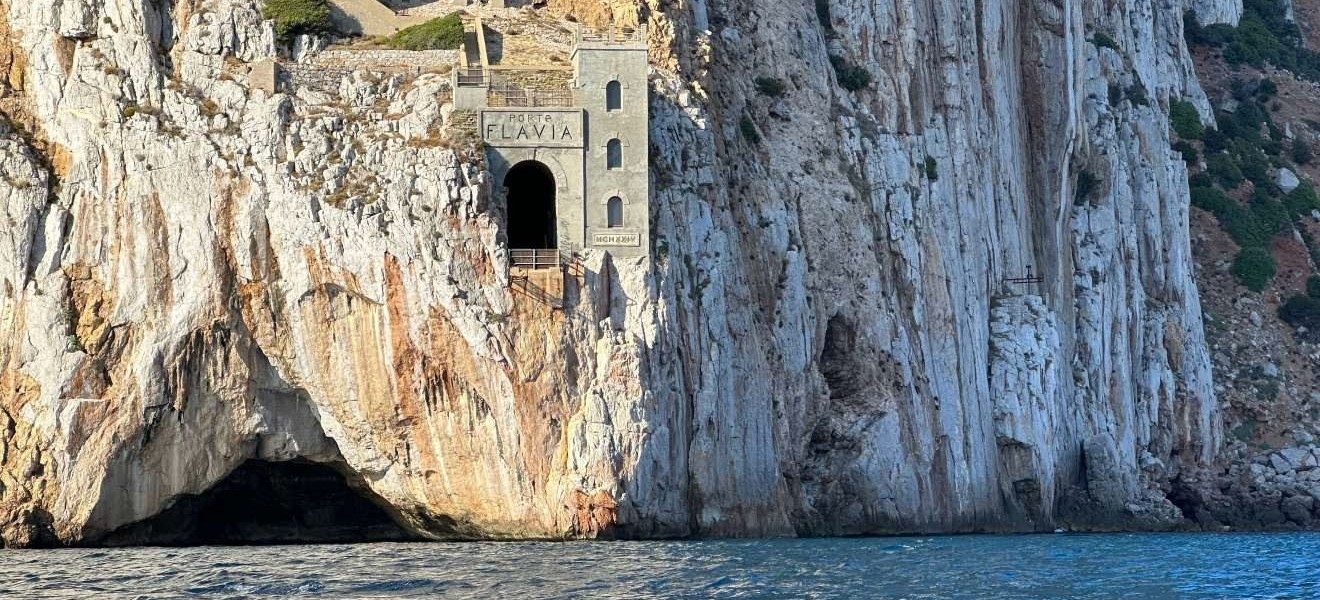
Porto Flavia è uno dei luoghi più iconici del Sulcis Iglesiente, un’opera unica di ingegneria mineraria incastonata nella falesia a picco sul mare, nei pressi di Masua. Realizzato nei primi del Novecento, rappresentava un sistema rivoluzionario per il caricamento diretto dei minerali sulle navi, evitando i lunghi e complessi trasporti via terra.
Affacciato sul mare aperto e con vista sul celebre faraglione di Pan di Zucchero, Porto Flavia è oggi una delle testimonianze più spettacolari del passato industriale della Sardegna, dove tecnica e paesaggio si fondono in modo sorprendente.
🏭 La Struttura
Porto Flavia si sviluppa all’interno della roccia attraverso una serie di gallerie sovrapposte, progettate per facilitare il trasporto e l’imbarco dei minerali. Il sistema era organizzato su due livelli principali: quello superiore dedicato all’arrivo e allo stoccaggio del materiale, e quello inferiore collegato direttamente al mare, da cui avveniva il carico sulle navi tramite un ingegnoso sistema di nastri e silos.
Oggi il sito è visitabile esclusivamente tramite visite guidate, che permettono di accedere alle gallerie interne e di comprendere nel dettaglio il funzionamento di questo straordinario impianto. Durante il percorso si attraversano ambienti scavati nella roccia fino a raggiungere l’apertura panoramica sul mare, uno dei punti più suggestivi dell’intera costa.
☀️ Quando Visitarlo
Il momento ideale è la mattina, quando la luce illumina la falesia e il mare creando condizioni perfette per apprezzare il panorama. Anche il pomeriggio offre scorci interessanti, ma le temperature possono essere più elevate, soprattutto nei mesi estivi.
Le visite guidate seguono orari prestabiliti, quindi è utile organizzarsi in anticipo per scegliere la fascia più adatta.
👟 Consigli Pratici
Per la visita è consigliato indossare scarpe comode, adatte a camminare su superfici leggermente irregolari all’interno delle gallerie. Porta con te acqua e, nei mesi più caldi, un cappellino per le aree esterne.
All’interno la temperatura è generalmente più fresca, quindi può essere utile avere con sé un leggero strato in più.
Cala Domestica
Ingresso
Libero
Durata
2 ore
Difficoltà
Media
📖 Il Contesto
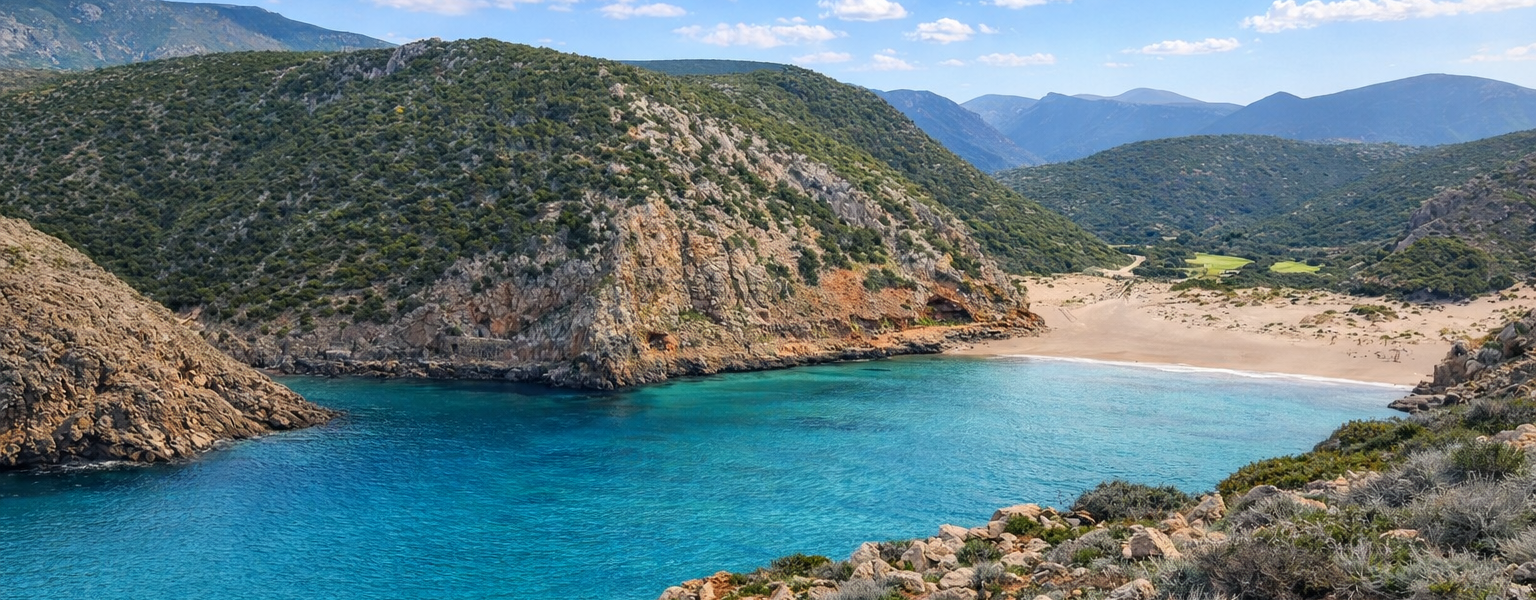
La Cala Domestica si trova lungo la costa del Sulcis Iglesiente ed è una delle tappe più suggestive dell’itinerario minerario. Incastonata tra alte falesie calcaree, questa cala unisce in modo unico il fascino del mare alla memoria dell’attività estrattiva.
Un tempo, infatti, Cala Domestica era un importante punto di imbarco dei minerali: qui arrivavano i materiali estratti dalle miniere dell’entroterra, pronti per essere caricati sulle navi. Oggi restano visibili le tracce di quel passato, immerse in un paesaggio che ha ritrovato il suo equilibrio naturale.
🏭 La Struttura
L’area conserva ancora diverse testimonianze dell’attività mineraria, perfettamente integrate nel contesto naturale. Alle spalle della spiaggia si trovano i resti dei magazzini e delle strutture utilizzate per lo stoccaggio dei minerali, mentre lungo le pareti rocciose si possono notare vecchie gallerie scavate nella pietra.
Uno degli elementi più caratteristici è il piccolo tunnel che conduce a una caletta nascosta, una seconda spiaggia più raccolta e selvaggia, che regala una prospettiva diversa sull’intero scenario.
L’accesso è semplice e ben segnalato: dal parcheggio si raggiunge la cala con una breve passeggiata, che permette di osservare da vicino sia gli elementi naturali sia quelli legati alla storia del sito.
☀️ Quando Visitarla
Il momento migliore è la mattina, quando la luce illumina direttamente la cala e il mare tende ad essere più calmo. Anche il tardo pomeriggio può regalare atmosfere molto suggestive, soprattutto quando le falesie iniziano a proiettare ombre sulla spiaggia.
Nei mesi estivi è consigliabile evitare le ore centrali, quando l’affluenza è maggiore e il sole è più intenso.
👟 Consigli Pratici
Per raggiungere Cala Domestica sono sufficienti scarpe comode, ma se vuoi esplorare i dintorni e le vecchie strutture minerarie è meglio optare per calzature più stabili.
Porta con te acqua, protezione solare e tutto il necessario per la giornata: nonostante sia facilmente accessibile, la cala mantiene un’anima piuttosto selvaggia.
Buggerru
Ingresso
Biglietto
Durata
3 ore
Difficoltà
Facile
📖 Il Contesto
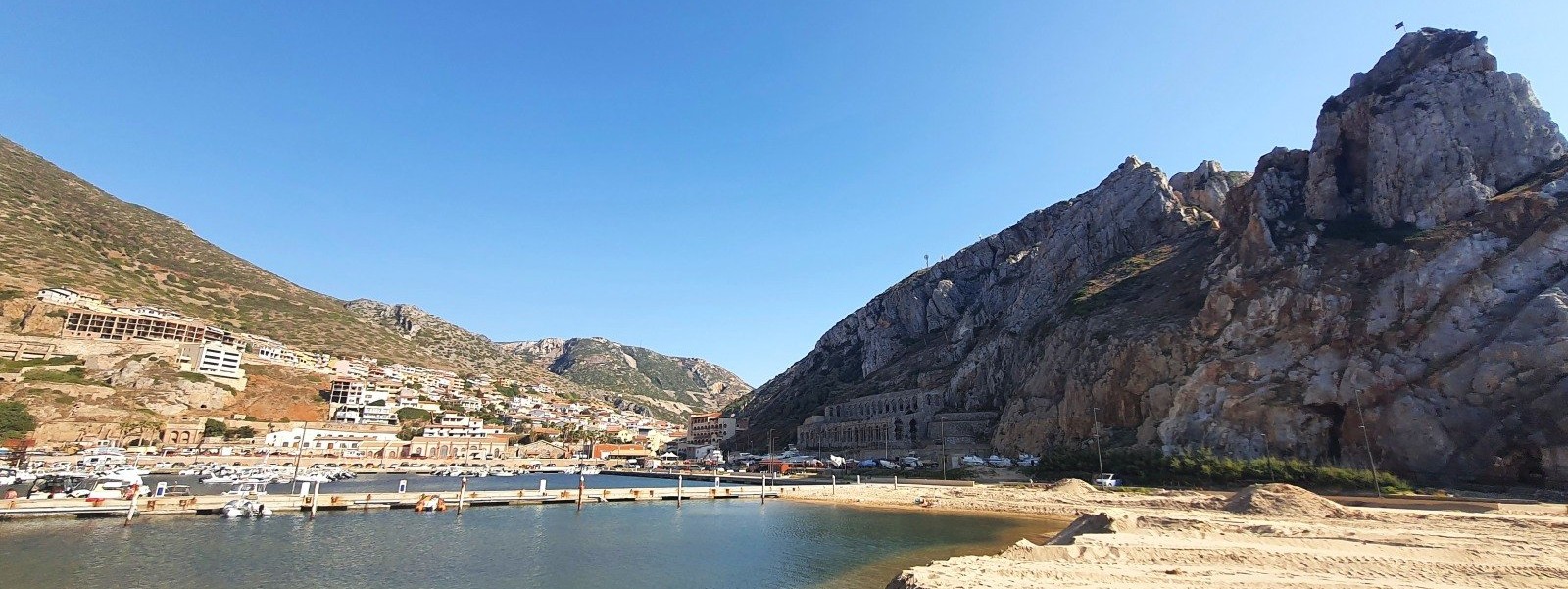
Buggerru è un piccolo borgo affacciato sul mare, incastonato tra alte scogliere lungo la costa del Sulcis Iglesiente. Nato e sviluppatosi intorno all’attività mineraria, è stato per lungo tempo uno dei centri più importanti per l’estrazione e il trasporto dei minerali.
Ancora oggi Buggerru conserva un forte legame con il suo passato: tra il porto, le vecchie strutture minerarie e il tessuto urbano, si percepisce chiaramente l’identità di un luogo che ha vissuto profondamente il rapporto tra lavoro e mare.
🏭 Il Paese
Il paese si sviluppa attorno al suo porto, che in passato rappresentava un punto strategico per l’imbarco dei minerali provenienti dalle miniere dell’entroterra. Intorno a questa area si trovano ancora edifici e strutture legate all’attività industriale, oggi in parte riconvertite o integrate nel contesto urbano.
Passeggiando tra le vie del borgo si possono osservare case, magazzini e scorci che raccontano la vita quotidiana dei minatori e delle loro famiglie. Non lontano dal centro si trovano anche altri siti di interesse minerario, collegati storicamente a Buggerru e facilmente raggiungibili.
La visita è libera e si sviluppa in modo naturale, seguendo il ritmo del paese e lasciandosi guidare tra porto, spiagge e punti panoramici.
☀️ Quando Visitarlo
Il momento migliore è la mattina o il tardo pomeriggio, quando la luce valorizza il contrasto tra le scogliere, il mare e le architetture del borgo.
Durante l’estate Buggerru può essere più frequentato, soprattutto nelle ore centrali della giornata, mentre nelle stagioni intermedie mantiene un’atmosfera più tranquilla e autentica.
👟 Consigli Pratici
Per visitare Buggerru sono sufficienti scarpe comode, ideali per muoversi tra il centro, il porto e i sentieri nei dintorni.
Ingurtosu
Ingresso
Libero
Durata
2 ore
Difficoltà
Media
📖 Il Contesto
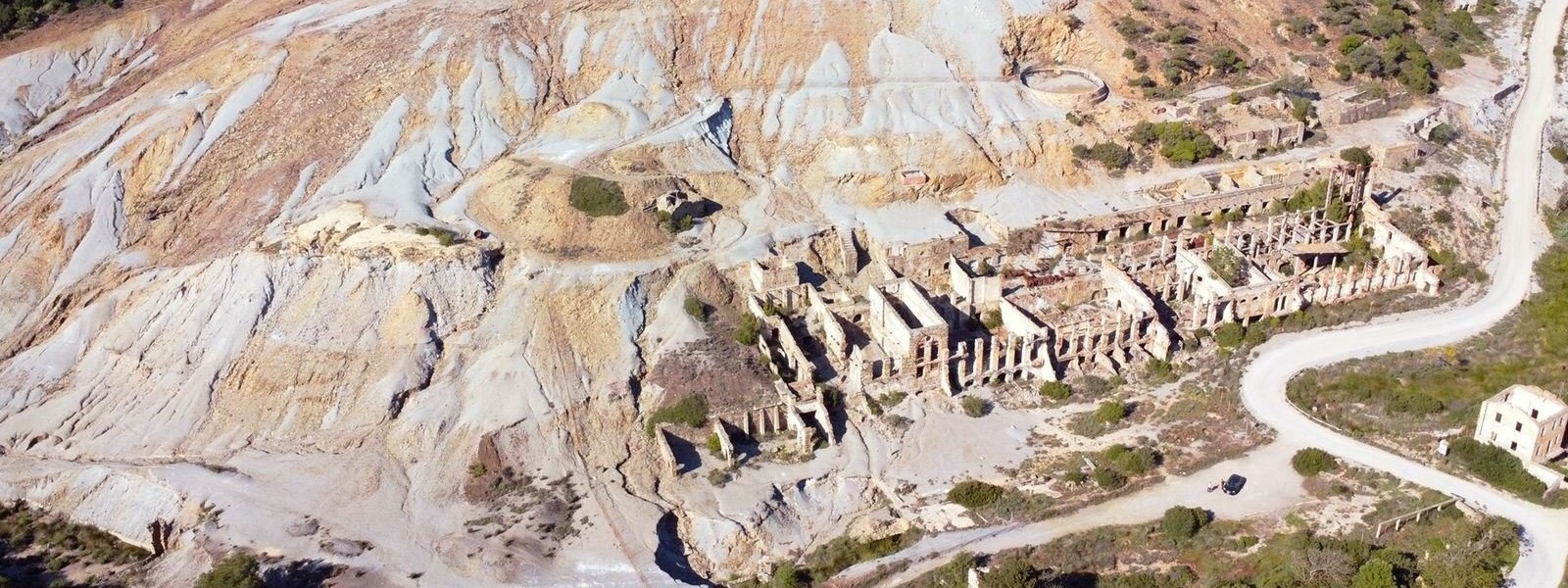
Ingurtosu si trova nell’entroterra della Costa Verde ed è uno dei luoghi più rappresentativi della storia mineraria sarda. Un tempo centro vitale per l’estrazione di piombo e zinco, oggi si presenta come un borgo sospeso nel tempo, circondato da colline silenziose e natura incontaminata.
Qui il paesaggio racconta chiaramente il passaggio dell’uomo: edifici, strade e strutture industriali emergono tra il verde, creando un equilibrio particolare tra memoria e ambiente. È una tappa che invita a rallentare e osservare, più che a visitare in modo frettoloso.
🏭 Le Strutture
Il complesso minerario di Ingurtosu si sviluppa come un vero e proprio villaggio, con edifici che riflettono l’organizzazione sociale e produttiva dell’epoca. Tra questi spicca il Castello di Ingurtosu, residenza della direzione mineraria, che domina l’area circostante e rappresenta uno degli elementi più riconoscibili del sito.
Accanto agli edifici principali si trovano strutture legate alla lavorazione dei minerali, magazzini e abitazioni, disposte lungo strade che si snodano tra le colline. Gran parte dell’area è visitabile liberamente, permettendo di esplorare il sito a piedi e osservare da vicino i dettagli dell’architettura industriale.
Per approfondire la storia del luogo, in alcuni periodi sono disponibili visite guidate o punti informativi, utili per comprendere meglio il funzionamento della miniera e la vita quotidiana della comunità che vi abitava.
☀️ Quando Visitarlo
Il momento ideale è la mattina o il tardo pomeriggio, quando la luce rende ancora più suggestivo il contrasto tra gli edifici minerari e il paesaggio naturale.
Nei mesi estivi le temperature possono essere elevate, quindi è consigliabile evitare le ore centrali della giornata. Le stagioni intermedie offrono condizioni perfette per esplorare l’area con calma.
👟 Consigli Pratici
Per visitare Ingurtosu è consigliato indossare scarpe comode o da trekking leggero, adatte a percorsi su terreno sterrato e irregolare.
Porta con te acqua e prenditi il tempo necessario per esplorare senza fretta: Ingurtosu non è un luogo da attraversare velocemente, ma uno spazio da vivere con attenzione, lasciandoti guidare dai dettagli e dall’atmosfera unica che lo caratterizza.
Piscinas
Ingresso
Libero
Durata
2 ore
Difficoltà
Media
📖 Il Contesto
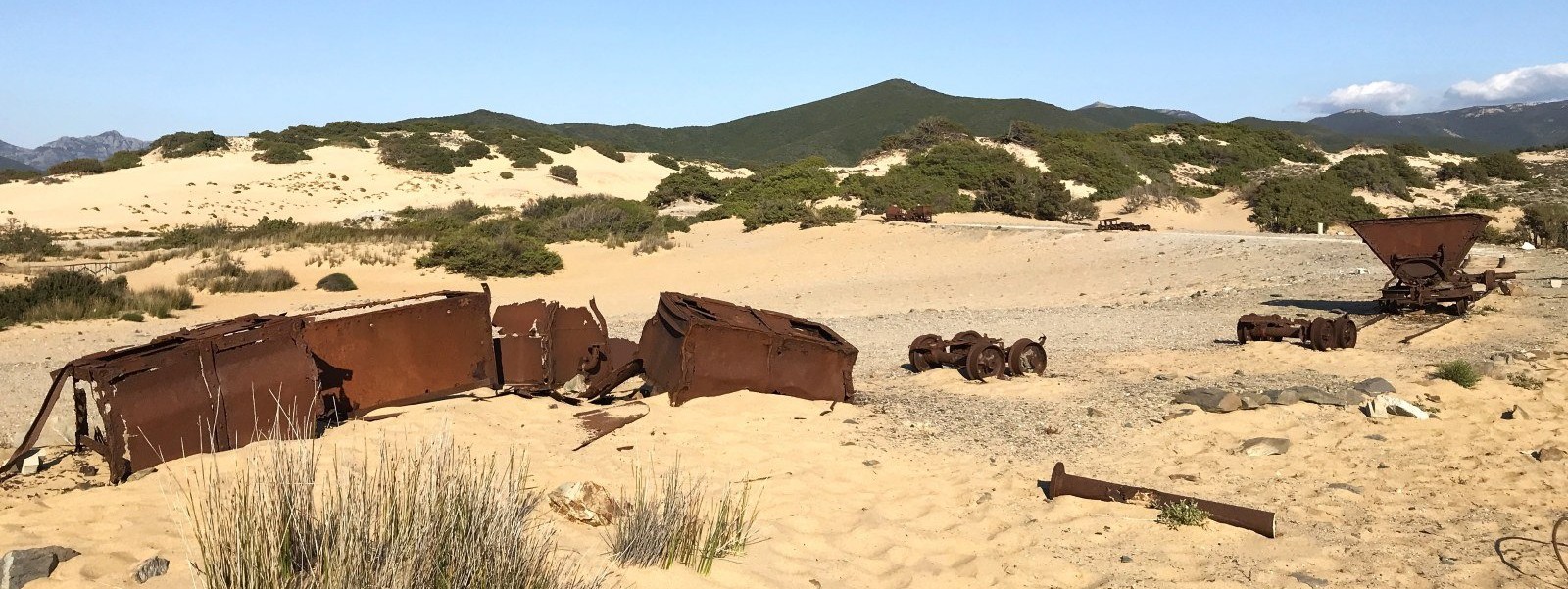
La Spiaggia di Piscinas è una delle tappe più spettacolari della Costa Verde, un luogo dove la natura ha preso il sopravvento sulle tracce dell’attività mineraria. Qui si estende uno dei sistemi dunali più imponenti d’Europa, con montagne di sabbia modellate dal vento che arrivano fino al mare.
Alle spalle della spiaggia si trovano ancora i segni del passato estrattivo, oggi in gran parte inglobati nel paesaggio. Piscinas rappresenta perfettamente l’equilibrio tra storia e natura: un luogo dove ciò che resta dell’uomo convive con uno scenario ampio, selvaggio e in continuo movimento.
🏭 Le Strutture
L’area conserva alcune testimonianze legate all’attività mineraria, visibili soprattutto nelle strutture storiche che un tempo servivano per il trattamento e il trasporto dei minerali. Oggi questi edifici sono stati in parte recuperati e si inseriscono nel contesto senza alterarne l’equilibrio, diventando punti di riferimento discreti all’interno del paesaggio.
La visita si sviluppa in modo libero: si può camminare lungo la spiaggia, esplorare le dune e osservare da vicino i resti dell’archeologia industriale disseminati nell’area. Non si tratta di un sito strutturato come una miniera visitabile, ma di un ambiente aperto, dove la storia si legge direttamente nel territorio.
☀️ Quando Visitarla
Il momento migliore è la mattina o il tardo pomeriggio, quando la luce esalta le forme delle dune e il contrasto con il mare. Nelle ore centrali, soprattutto in estate, il caldo può essere intenso e la sabbia molto calda.
Le stagioni intermedie sono ideali per vivere Piscinas con maggiore tranquillità e condizioni climatiche più piacevoli.
👟 Consigli Pratici
Per visitare Piscinas è consigliabile indossare scarpe comode o sandali adatti a camminare sulla sabbia, tenendo conto che le distanze possono essere ampie.
Porta con te acqua, cappellino e protezione solare: l’ombra è quasi assente e il sole può essere molto forte. Se vuoi esplorare le dune, muoviti con rispetto per l’ambiente: si tratta di un ecosistema delicato, dove ogni dettaglio contribuisce all’equilibrio del paesaggio.
Funtanazza
Ingresso
Libero
Durata
2 ore
Difficoltà
Media
📖 Il Contesto
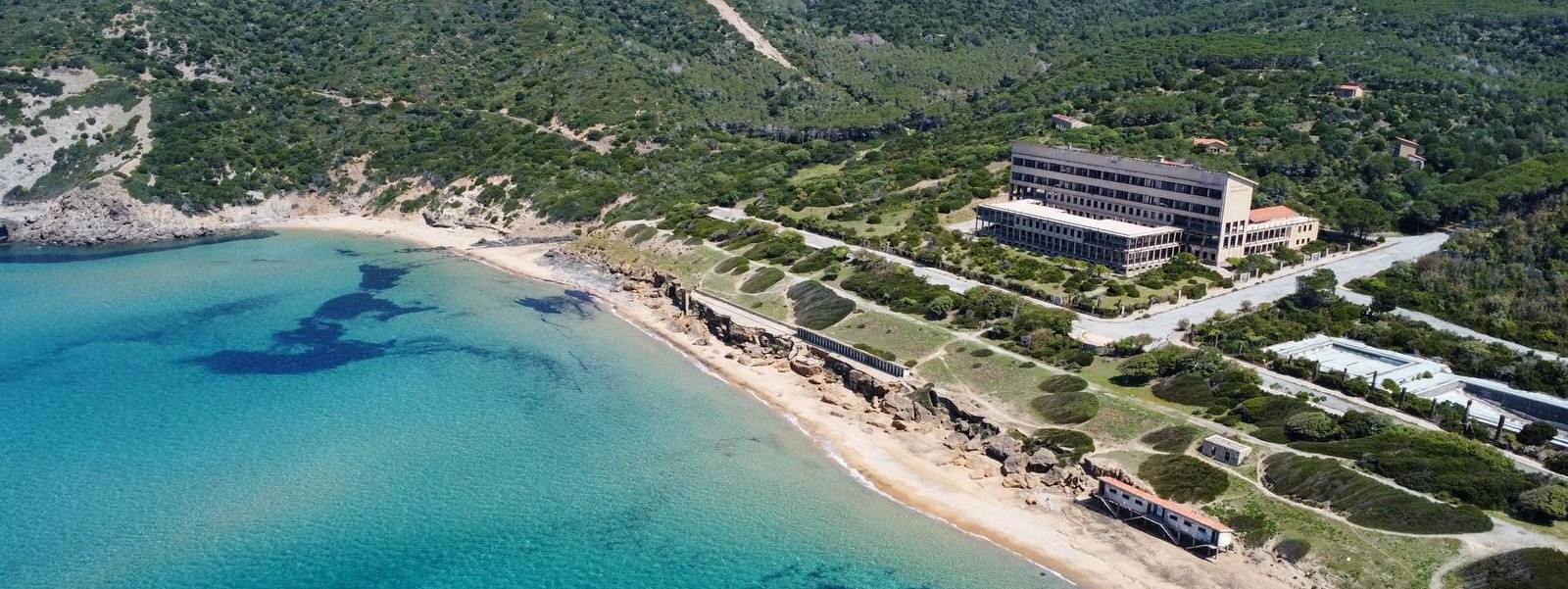
La Funtanazza si trova lungo la Costa Verde, in un tratto di litorale dove il mare incontra direttamente la memoria dell’attività mineraria. Qui, a pochi passi dalla spiaggia, sorgono ancora i resti della colonia marina costruita per i figli dei minatori: un luogo oggi silenzioso, sospeso tra passato e presente.
Funtanazza è una tappa particolare dell’itinerario perché mostra un volto diverso della storia mineraria: non solo lavoro ed estrazione, ma anche vita quotidiana, comunità e spazi pensati per il tempo libero. Il tutto immerso in un paesaggio aperto, dove il mare è spesso mosso e il vento è una presenza costante.
🏭 La Struttura
L’elemento più riconoscibile è l’edificio della ex colonia marina, una struttura imponente affacciata direttamente sulla spiaggia, oggi in stato di abbandono ma ancora capace di raccontare molto del passato del territorio.
Intorno si sviluppa un contesto semplice e diretto: la spiaggia, il mare e pochi altri segni dell’intervento umano. Non si tratta di un sito organizzato o musealizzato, ma di uno spazio aperto, dove è possibile muoversi liberamente e osservare da vicino le strutture esterne.
La visita è breve ma intensa, proprio perché il contrasto tra l’edificio e il paesaggio naturale crea un’atmosfera forte, difficile da trovare altrove lungo la costa.
☀️ Quando Visitarla
Il momento migliore è la mattina o il tardo pomeriggio, quando la luce valorizza la struttura e il mare. Nelle ore centrali, soprattutto nei mesi estivi, il sole può essere intenso e il vento più sostenuto.
Le stagioni intermedie sono ideali per godersi Funtanazza con più calma e meno affluenza.
👟 Consigli Pratici
Per visitare Funtanazza sono sufficienti scarpe comode, ma se vuoi avvicinarti alla struttura è importante muoversi con attenzione e senza entrare in aree non accessibili.
Montevecchio
Ingresso
Biglietto
Durata
3 ore
Difficoltà
Facile
📖 Il Contesto
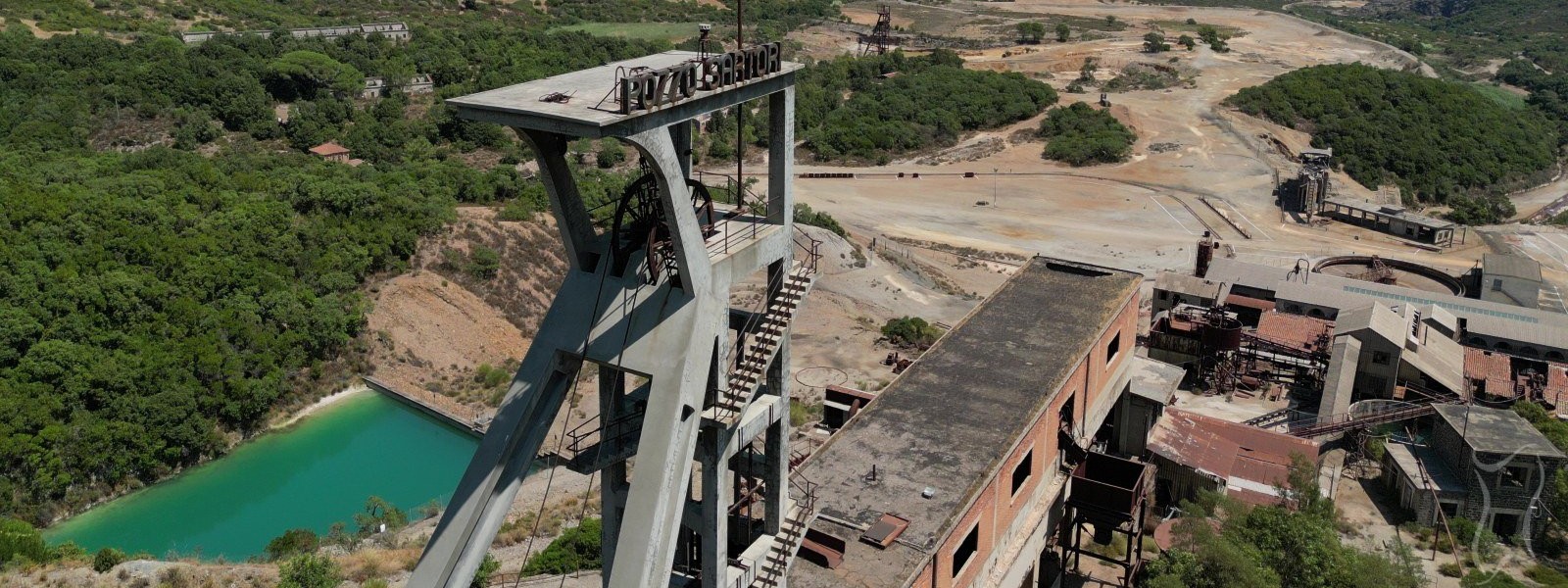
Il complesso minerario di Montevecchio è uno dei più importanti esempi di archeologia industriale della Sardegna e rappresenta una tappa fondamentale per comprendere la storia mineraria del territorio. Situato nell’entroterra della Costa Verde, tra colline e boschi,
Montevecchio è stato per oltre un secolo uno dei principali centri estrattivi dell’isola.
Oggi il sito conserva un patrimonio straordinario fatto di edifici, infrastrutture e percorsi che raccontano in modo diretto la vita e il lavoro di intere generazioni di minatori. È un luogo dove la memoria è ancora tangibile, immersa in un paesaggio ampio e silenzioso.
🏭 La Struttura
Montevecchio si sviluppa come un vero e proprio sistema minerario articolato, con diverse aree che riflettono l’organizzazione produttiva e sociale dell’epoca. Si possono osservare laverie, officine, pozzi e strutture tecniche, insieme agli edifici destinati alla direzione e alla gestione dell’attività estrattiva.
Una parte del complesso è oggi visitabile tramite percorsi guidati, che permettono di accedere anche ad ambienti interni e di approfondire il funzionamento della miniera, dalle tecniche di estrazione alla lavorazione dei minerali. Le visite offrono anche uno sguardo sulla vita quotidiana dei lavoratori, restituendo una visione completa del sito.
Accanto alle aree organizzate, restano ampie porzioni visitabili liberamente dall’esterno, dove è possibile muoversi tra gli edifici e osservare da vicino le strutture industriali inserite nel paesaggio naturale.
☀️ Quando Visitarlo
Il momento ideale è la mattina o il tardo pomeriggio, quando le temperature sono più miti e la luce valorizza le architetture e il contesto naturale.
Nei mesi estivi è consigliabile evitare le ore centrali della giornata, mentre primavera e autunno sono perfetti per esplorare l’area con maggiore tranquillità.
👟 Consigli Pratici
Per visitare Montevecchio è consigliato indossare scarpe comode o da trekking leggero, adatte a percorsi su terreno sterrato e superfici irregolari.