


The Surf Kingdom
Discovering the iconic spots where the sea sets the rhythm.
Overview
This itinerary crosses Sardinia following the path of its best waves, along coastlines where the Mediterranean changes character and becomes a playground for surfers, windsurfers, and anyone who loves a sea in motion. It’s a journey shaped by awaited swells, surfboards strapped to the car roof, sunsets over the line-up, and beaches where the wind is as much a part of the landscape as the sand and the cliffs.
The journey begins in the Cagliari area, in the south of the island, at the beautiful beach of Solanas, where clean waves roll onto one of the most spectacular stretches of coast in the region. A little further north, in the heart of the Sulcis Iglesiente, the beach of Portixeddu welcomes surfers and travellers with its long shoreline overlooking a sea often generous with swell.
The coastline keeps changing as you reach the wild beach of Piscinas, where the highest dunes in the Mediterranean meet an ocean of sand and powerful waves. From there you arrive at one of the most iconic surf spots in Sardinia: Capo Mannu, a legendary break capable of delivering some of the island’s best waves when the conditions align.
Heading further north, you enter the Nurra region, where Porto Ferro beach is a reliable destination for those looking for consistent waves and the authentic atmosphere of a European surf spot.
From here the journey continues into Gallura, a land of wind and open sea. At La Marinedda beach the waves break in front of one of the most striking coastal landscapes in the north, while Rena Majore beach offers long stretches of shoreline exposed to the mistral wind—perfect for intense sessions and spectacular views.
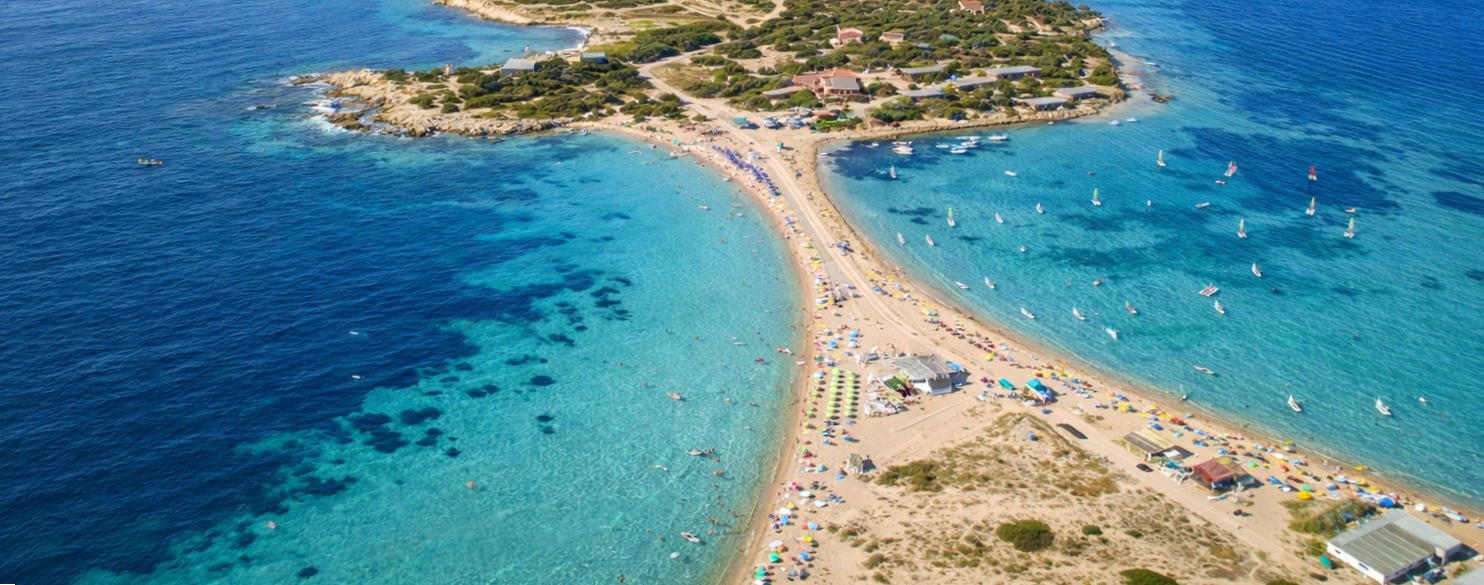
The itinerary finally ends at Porto Pollo, one of Europe’s windsurfing and kitesurfing paradises, where the wind blows steadily and the sea fills with colourful sails.
It’s a journey that follows the swells, but also the slow rhythm of Sardinia’s coasts. Between one session and the next there are kilometres of wild landscapes, sunsets over the horizon, and beaches where the sea is never truly still. Here, surfing is not just a sport—it’s a different way of exploring the island.
The Surf Kingdom
🕒 8 Days
🏰 8 Spots
Follow the route in any order you like
Pick the stops that inspire you most
Book at your own pace
800 €
Indicative price per person. Prices may vary depending on the season, selected accommodations, and included services.
Solanas - Cagliaritano

Bottom
Sandy
Wind Direction
S - SW
Waves
from 1 to 3 mt
📖 The Context
Solanas Beach lies along the south-eastern coast of Sardinia, just a few kilometres from Villasimius. It’s a wide, bright bay framed by granite headlands and facing a stretch of sea that, on the right days, can completely change character.
When the wind pushes in from the open sea, this normally peaceful beach turns into an interesting spot for local surfers. Clean waves roll across the long stretch of golden sand, creating surfable lines especially during stronger swells coming from the south-eastern quadrant. It’s a less famous spot compared to others on the island, but precisely for that reason it retains a more relaxed and authentic atmosphere.
🌊 Waves, Wind and Seabed
Solanas works best with sirocco and easterly swells, which can generate consistent waves long enough for enjoyable sessions, especially for intermediate surfers. When the wind isn’t too strong, it helps clean up the wave lines and gives rhythm to the spot.
The seabed is sandy, a feature that makes entering the water easier compared to many of Sardinia’s rocky surf spots. The waves mainly break as a beach break and the peaks tend to spread along the shoreline, offering several entry points into the water.
☀️ Best Time to Visit
The best season for surfable conditions runs from autumn to spring, when Mediterranean weather systems become more frequent and swells reach this stretch of coast. Winter, in particular, can bring surprisingly good days.
Early morning often offers more organised waves and a quieter beach. As the day goes on, the wind can pick up and quickly change the conditions on the water.
👟 Practical Tips
If you plan to include Solanas in your surf itinerary, bring a versatile board suitable for beach breaks and always keep an eye on the wind, as it can quickly transform the spot.
For non-surfers, the beach is still perfect for long walks along the shoreline and for watching the waves forming offshore and rolling toward the coast. Here, the sea is never quite the same—and a single swell can completely reshape the character of the bay.
Portixeddu - Sulcis Iglesiente

Bottom
Rocky
Wind Direction
W - NW
Waves
From 2 to 4 mt
📖 The Context
Portixeddu Beach lies along the south-western coast of Sardinia, in the territory of Fluminimaggiore. It is one of the widest and wildest beaches in the Sulcis Iglesiente region: a long arc of golden sand facing the open sea, often shaped by wind and swells arriving from the western Mediterranean.
The landscape here has a strong, rugged character. Behind the beach stretch rolling hills and former mining areas, while in front a vast horizon opens up where the sea can shift in just a few hours from calm waters to a field of moving waves. Thanks to this exposure, Portixeddu has gradually become one of the reference spots for surfers looking for sessions in a still largely unspoiled setting.
🌊 Waves, Wind and Seabed
Portixeddu works best with mistral and westerly swells, which can generate powerful, well-shaped waves along the entire beach. When conditions line up, sets arrive in organised lines and allow for long, enjoyable rides.
The bottom is mostly sandy, typical of beach breaks. This creates several peaks across the bay, allowing surfers to spread out rather than crowding a single take-off point. Wave size can vary significantly depending on the strength of the swell, ranging from fun conditions for intermediate surfers to more demanding days when the sea builds.
☀️ Best Time to Go
The best conditions are usually found between autumn and spring, when Mediterranean storms bring regular swells to the island’s western coast. Winter is often the most interesting season for those searching for solid waves.
Early morning frequently offers cleaner conditions and lighter winds, while in the afternoon the mistral can strengthen and make the sea rougher, completely changing the look of the spot.
👟 Practical Tips
Bring a board suitable for beach breaks and always check wind and swell forecasts before entering the water.
Even on days without waves, the beach remains a spectacular place for long walks along the shoreline and for watching the power of the open sea.


Piscinas - Costa Verde

Bottom
Sandy
Wind Direction
W - NM
Waves
From 1 to 4 mt
📖 The Context
Piscinas Beach lies along the Costa Verde and is one of the most spectacular and wild stretches of coastline in Sardinia. Here the landscape is dominated by a system of sand dunes among the highest in Europe, shaped by the wind and overlooking an open sea that rolls in directly from the western Mediterranean.
It’s a place that immediately conveys a sense of space and natural power: kilometres of golden sand, almost no buildings, and a wide horizon where wind and waves become the true protagonists.
Thanks to this exposure, Piscinas has become an interesting surf spot, especially when swells begin to push onto the island’s western coast.
🌊 Waves, Wind and Seabed
Piscinas works mainly with mistral and westerly swells, which generate long and powerful waves across a wide sandy beach break. The size of the beach creates multiple peaks along the shoreline, allowing surfers to spread out even when the swell builds.
The sandy bottom makes entering the water relatively easy, but on bigger days the waves can become demanding and require solid experience. When conditions line up, Piscinas offers powerful sessions with strong waves in a truly unique natural setting.
☀️ Best Time to Go
The best conditions are typically found from autumn to spring, when Atlantic storms reach the Mediterranean and bring consistent swells to Sardinia’s western coast.
Morning is often the ideal time to enter the water, with lighter winds and cleaner waves. As the day goes on, the mistral can strengthen and quickly change the character of the sea.
👟 Practical Tips
Piscinas is a magnificent but very isolated spot, so it’s best to arrive prepared: bring water, food, and everything you need for your surf session. Distances are long and services are limited—but that’s exactly what makes the experience so special.
Capo Mannu - Oristanese
Bottom
Rocky
Wind Direction
SW - W - NW
Waves
From 1 to 4 mt
📖 The Context
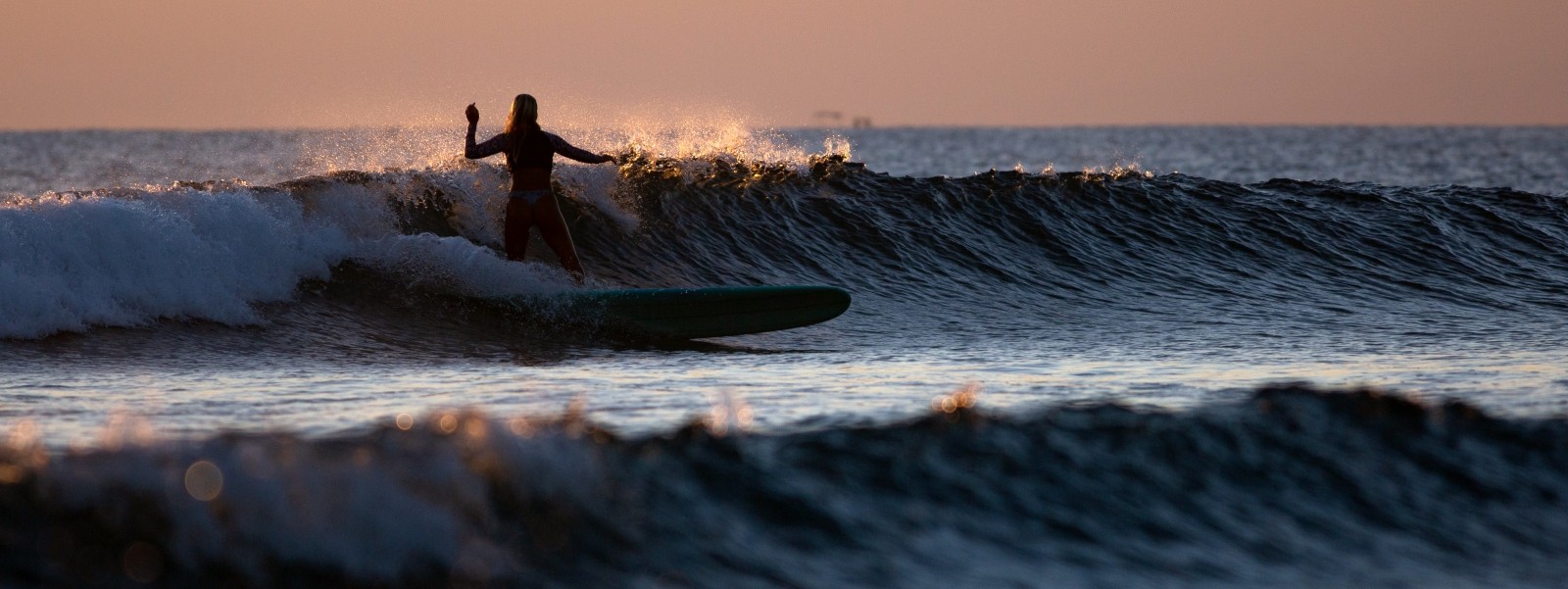
Capo Mannu, on the Sinis Peninsula, is considered the most famous surf spot in Sardinia. This rocky headland overlooking the open sea of the Oristano coast has gradually become a reference point for the island’s surf community and beyond.
The landscape here is raw and powerful: wind-beaten cliffs, Mediterranean scrub, and a sea that rolls in directly from the open horizon without obstacles. Thanks to this exposure, Capo Mannu is one of the most consistent surf spots in Sardinia, capable of producing quality waves whenever swells reach the western Mediterranean.
🌊 Waves, Wind and Seabed
Capo Mannu is best known for its point break waves, which form when mistral and westerly swells hit the headland and wrap along the rocky coastline.
When conditions line up, the waves become long, powerful, and very clean, with sections that allow for long and technical rides. This is not a beginner spot: the bottom is rocky, and the power of the sea requires experience, good wave reading, and respect for the line-up.
Because of the quality of its waves, Capo Mannu is often chosen for surf competitions and gatherings, and on the best days it becomes one of the most spectacular surf spots on the island.
☀️ Best Time to Go
The most interesting season runs from autumn to spring, when Atlantic storms bring consistent swells to Sardinia’s western coast.
The mistral is the dominant wind in the area: when it aligns with the right swell, Capo Mannu can deliver truly memorable conditions. Early morning often offers the cleanest waves and fewer surfers in the water.
👟 Practical Tips
Before paddling out, take time to carefully observe the spot, understand where the peaks form, and watch how the current moves along the rocky coastline. A board suited for powerful waves and solid experience in rocky surf spots make a big difference here.
Porto Ferro - Nurra
Bottom
Rocky
Wind Direction
SW - W
Waves
From 1 to 3 mt
📖 The Context
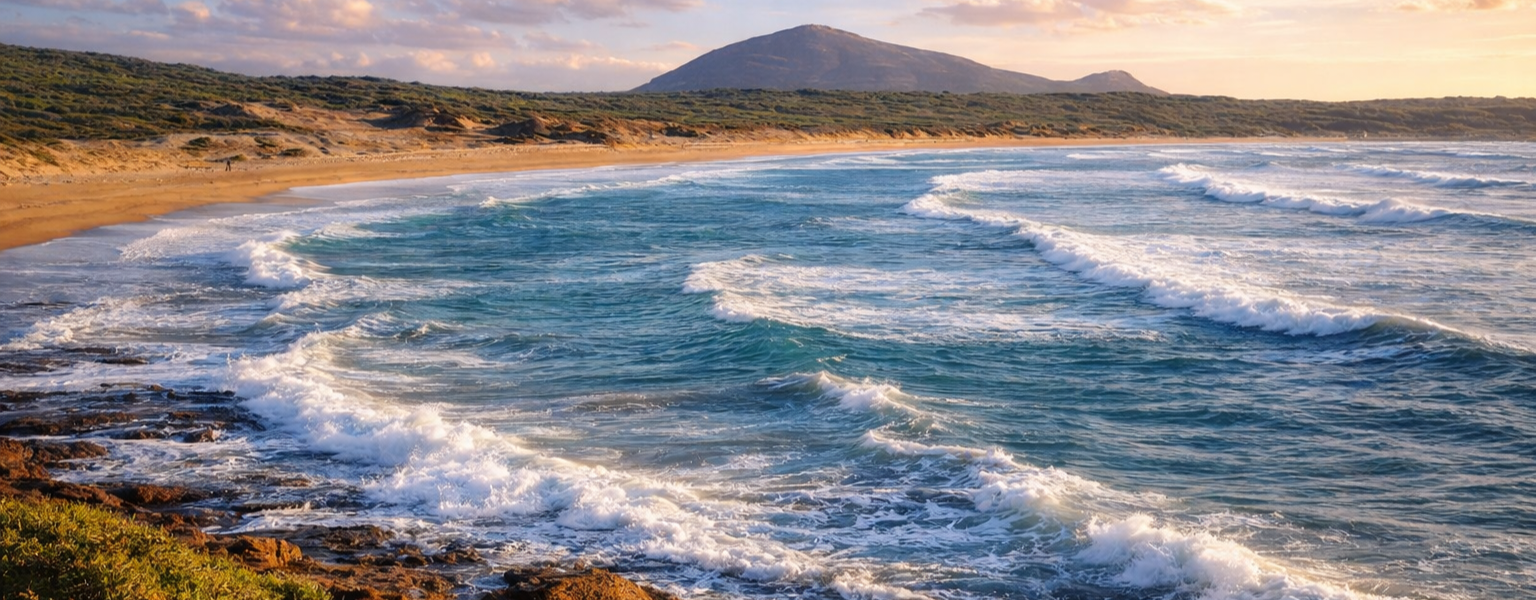
Porto Ferro Beach, in the Nurra region, is one of the most fascinating surf spots in north-western Sardinia. Located between Alghero and Stintino, this long bay of amber-coloured sand is surrounded by dunes, Mediterranean scrub, and historic coastal towers that tell the ancient story of this shoreline.
The atmosphere here feels wilder than many other beaches in the north of the island: wide open spaces, nature still dominating the landscape, and a sea that rolls powerfully into the bay. Thanks to its west-facing exposure, Porto Ferro has gradually become one of the key surf spots in the Nurra area.
🌊 Waves, Wind and Seabed
Porto Ferro is a versatile spot that can work with several types of swell. Westerly and mistral swells are the ones that generate the best waves, creating peaks spread along the entire beach.
The waves are generally beach breaks, with both right-hand and left-hand sections forming over the sandy bottom. This makes the spot more accessible than many others along the western coast: on moderate days it can also suit intermediate surfers.
When the swell increases, Porto Ferro changes character. Waves become more powerful and faster, attracting experienced surfers looking for more demanding lines.
☀️ Best Time to Go
The best surf season runs from autumn to spring, when Atlantic disturbances bring more frequent swells into the western Mediterranean.
Early morning or late afternoon are often the best moments to find lighter winds and cleaner waves. After a mistral swell has passed, the bay can offer particularly fun sessions.
👟 Practical Tips
The length of the beach makes it easy to move around in search of the best peak and avoid the most crowded areas.
Even for non-surfers, Porto Ferro is one of the most striking places along the north-western coast: the dunes, the Aragonese tower, and the contrast between the dark sand and the open sea create a landscape that’s hard to forget.
La Marinedda - Gallura
Bottom
Rocky
Wind Direction
NW
Waves
From 1 to 3 mt
📖 The Context
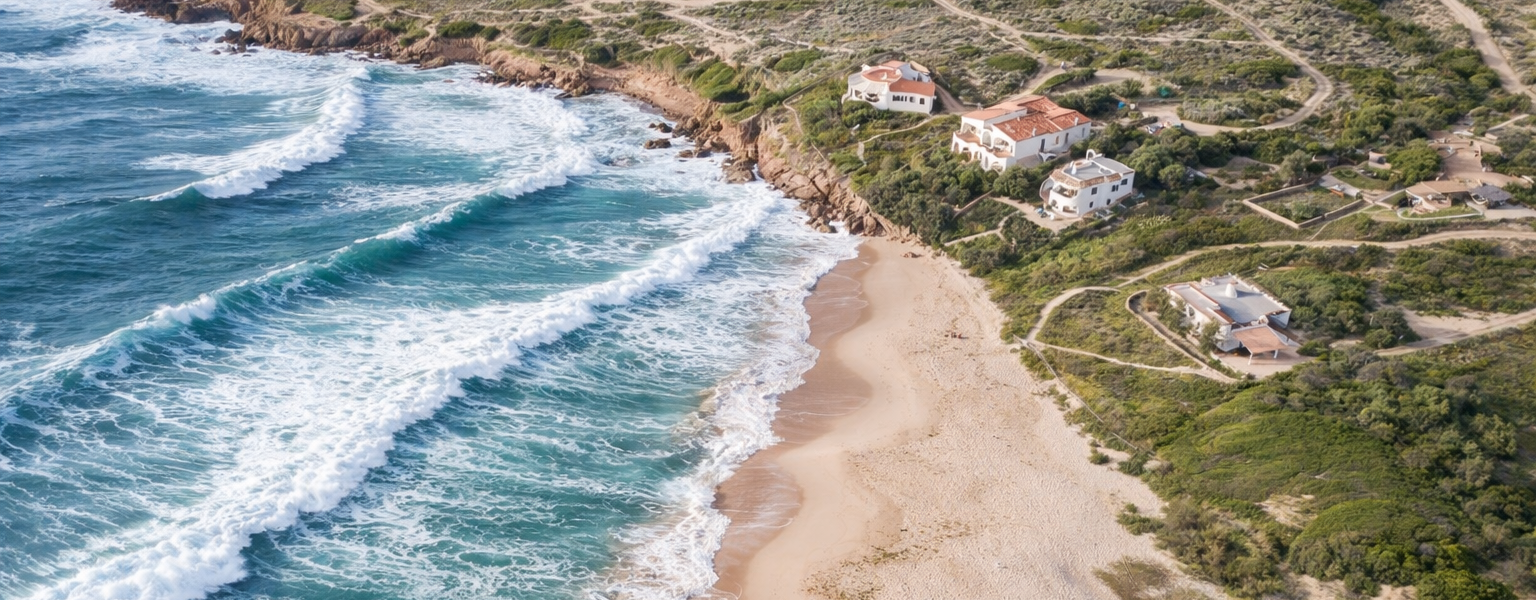
La Marinedda Beach lies just north of Isola Rossa, along the northern coast of Gallura. It’s a wide and luminous bay framed by granite rocks and Mediterranean scrub, where the sea rolls straight in from the open horizon, creating one of the most popular surf spots in northern Sardinia.
Over the years, La Marinedda has become a true reference point for the island’s surf scene. Events and competitions are often held here, and on the right days the beach fills with colourful boards, surfers waiting for the perfect set, and spectators watching the waves from the shore.
🌊 Waves, Wind and Seabed
La Marinedda works mainly with mistral and westerly swells, which enter the bay cleanly and generate regular waves along the entire beach.
The spot is a classic beach break over a sandy bottom, with peaks shifting along the shoreline and offering fun right-hand and left-hand waves that can be surprisingly long. This setup makes La Marinedda relatively accessible: on medium swell days it can suit intermediate surfers, while stronger swells create faster and more technical waves.
Thanks to its exposure, the spot maintains a good consistency of waves during the swell season, which is why it’s often one of the first choices for surfers in the area.
☀️ Best Time to Go
The best period runs from autumn to spring, when the mistral wind blows more frequently and Atlantic systems bring better organised swells into the Mediterranean.
The best conditions are often found in the early morning, when winds are lighter and the waves are cleaner. Even after a swell has passed, the bay can still deliver very enjoyable sessions.
👟 Practical Tips
Thanks to the width of the beach, it’s easy to move along the shoreline to find the peak that best suits your level.
On the best days the spot can become crowded, so it’s important to respect line-up etiquette and keep a safe distance from other surfers in the water.
Rena Majore - Gallura
Bottom
Sandy
Wind Direction
NW
Waves
From 1 to 3 mt
📖 The Context
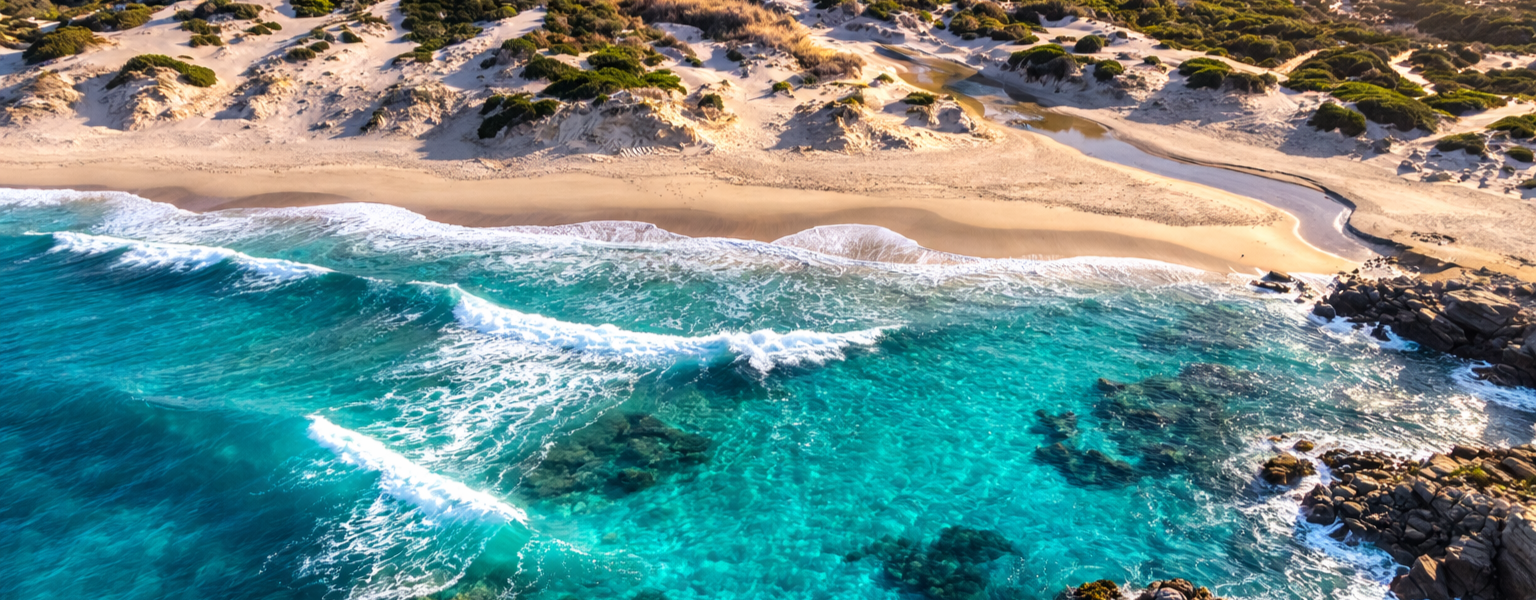
Rena Majore Beach lies along the northern coast of Sardinia, between Santa Teresa Gallura and Aglientu, in one of the most open and wild stretches of Gallura. It’s a long expanse of pale sand surrounded by dunes, juniper bushes, and Mediterranean scrub, where the sea rolls in directly from the open horizon with very little natural protection.
This exposure makes Rena Majore one of the most interesting surf spots in the area. When the right swells arrive, the beach turns into a vast natural playground for surfers looking for clean waves and wide open space.
🌊 Waves, Wind and Seabed
Rena Majore works well with mistral and westerly swells, which hit the coast head-on and generate waves spread along the entire bay.
The spot is a beach break over a sandy bottom, with peaks that shift depending on currents and swell direction. The waves can offer fun right-hand and left-hand rides, often long enough to allow good lines even for intermediate surfers.
With stronger swells, the beach changes pace: sets become more powerful and faster, attracting more experienced surfers. Thanks to the wide shoreline, surfers can easily spread out across different peaks, avoiding the crowding typical of smaller spots.
☀️ Best Time to Go
The most favourable season runs from autumn to spring, when the mistral wind blows more frequently and weather systems bring solid swells to the island’s northern coast.
The best conditions are often found early in the morning, when the wind is still light and the waves are more organised. After a nighttime swell, Rena Majore can offer particularly fun sessions.
👟 Practical Tips
The beach is wide and natural, so it’s worth walking along the shoreline first to observe where the best peaks are forming before paddling out.
On windy days the sea can quickly become more challenging, so it’s always a good idea to carefully assess the conditions before entering the water.
Porto Pollo - Gallura
Bottom
Sandy
Wind Direction
NW
Waves
From 1 to 3 mt
📖 The Context
Porto Pollo lies along the northern coast of Gallura, not far from Palau, and is considered one of the iconic locations for wind and board sports in Sardinia. The beach stretches along a narrow strip of land separating two bays, creating ideal conditions for windsurfing, kitesurfing, and occasionally surfing.
Here, the true protagonist is the wind. Colourful sails scattered across the horizon and boards speeding across the water make it clear that Porto Pollo is not just another beach—it’s a real meeting point for water sports enthusiasts from all over Europe.
🌊 Waves, Wind and Seabed
The spot is especially famous for its consistent winds, particularly the mistral, which blows regularly and creates perfect conditions for windsurfing and kitesurfing.
For surfing, Porto Pollo can offer interesting sessions when north-west swells arrive, generating surfable waves mainly on the more exposed side of the bay. The bottom is mostly sandy, making entry into the water relatively easy compared to the rockier spots along the coast.
Thanks to the double exposure of the beach, it’s possible to find different conditions on each side of the bay: flatter water and steady wind on one side, and more waves and choppier seas on the other.
☀️ Best Time to Go
The best season runs from spring to autumn, when the mistral wind blows more consistently and turns Porto Pollo into one of Sardinia’s liveliest water sports destinations.
Midday is often when the wind is strongest—perfect for windsurfing and kitesurfing—while early morning and late afternoon can offer calmer conditions, suitable for surfing or more relaxed sessions.
👟 Practical Tips
Porto Pollo is a very popular spot, so it’s important to respect the areas dedicated to the different sports and always stay aware of other people in the water.
If you don’t have your own gear, there are several surf schools and rental centres nearby where equipment can easily be hired.