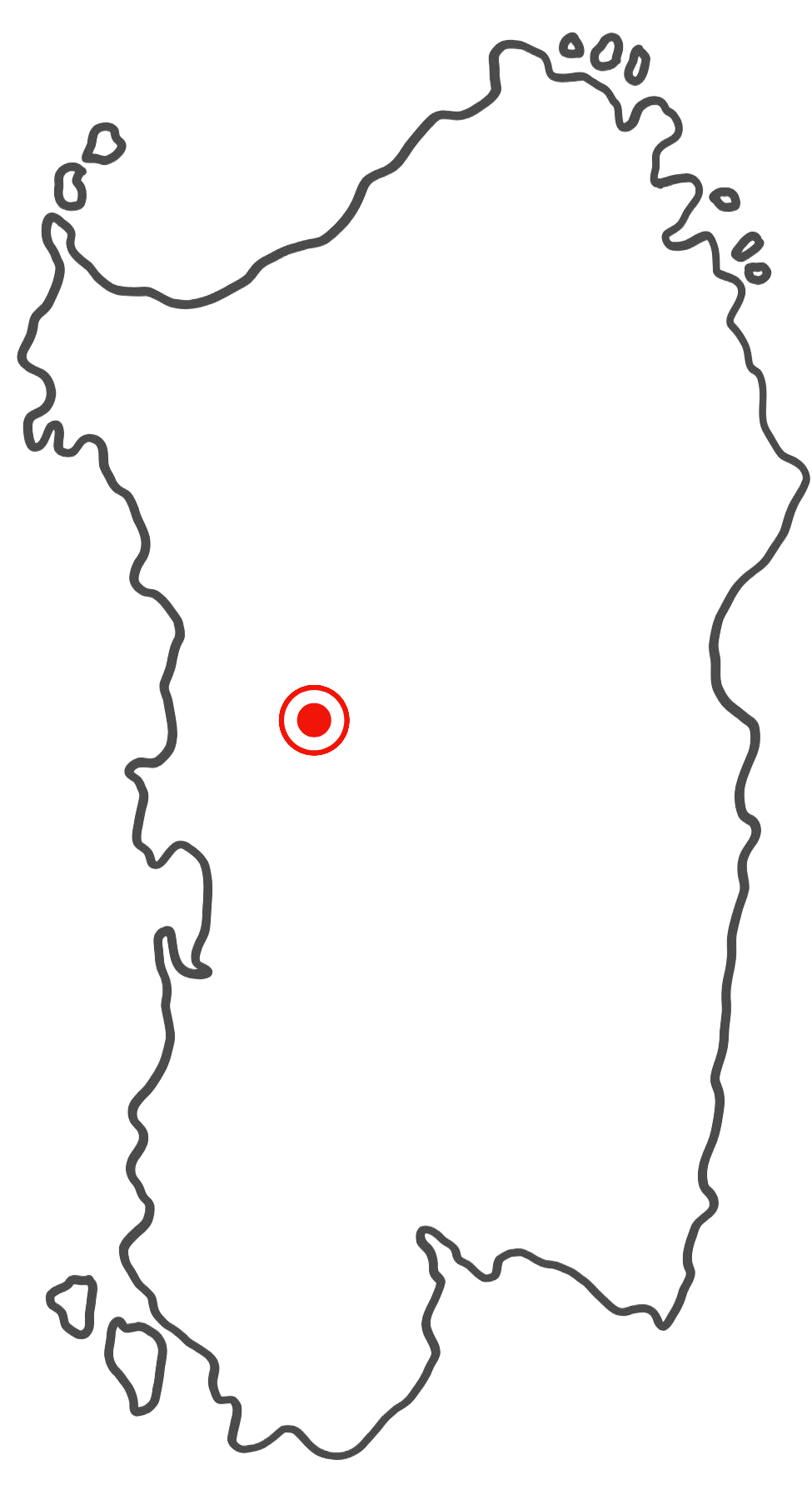


In what was, millions of years ago, the volcanic area par excellence in Sardinia, Ghilarza stands as a symphony of dark basalt, deeply rooted in the historic subregion of Guilcer.
The cultural heart of the town safeguards a historical memory that reaches far beyond the island's borders: the Antonio Gramsci House Museum. It is here, within these black trachyte rooms, that the world-renowned thinker and politician spent his youth, leaving an intellectual legacy that can still be felt in the village air today. Just a short distance away, the Romanesque-Gothic architecture of the 13th-century Church of San Palmerio offers an extraordinary visual impact, thanks to the striking color contrast between dark basalt and the white and red trachyte that decorates its facade.
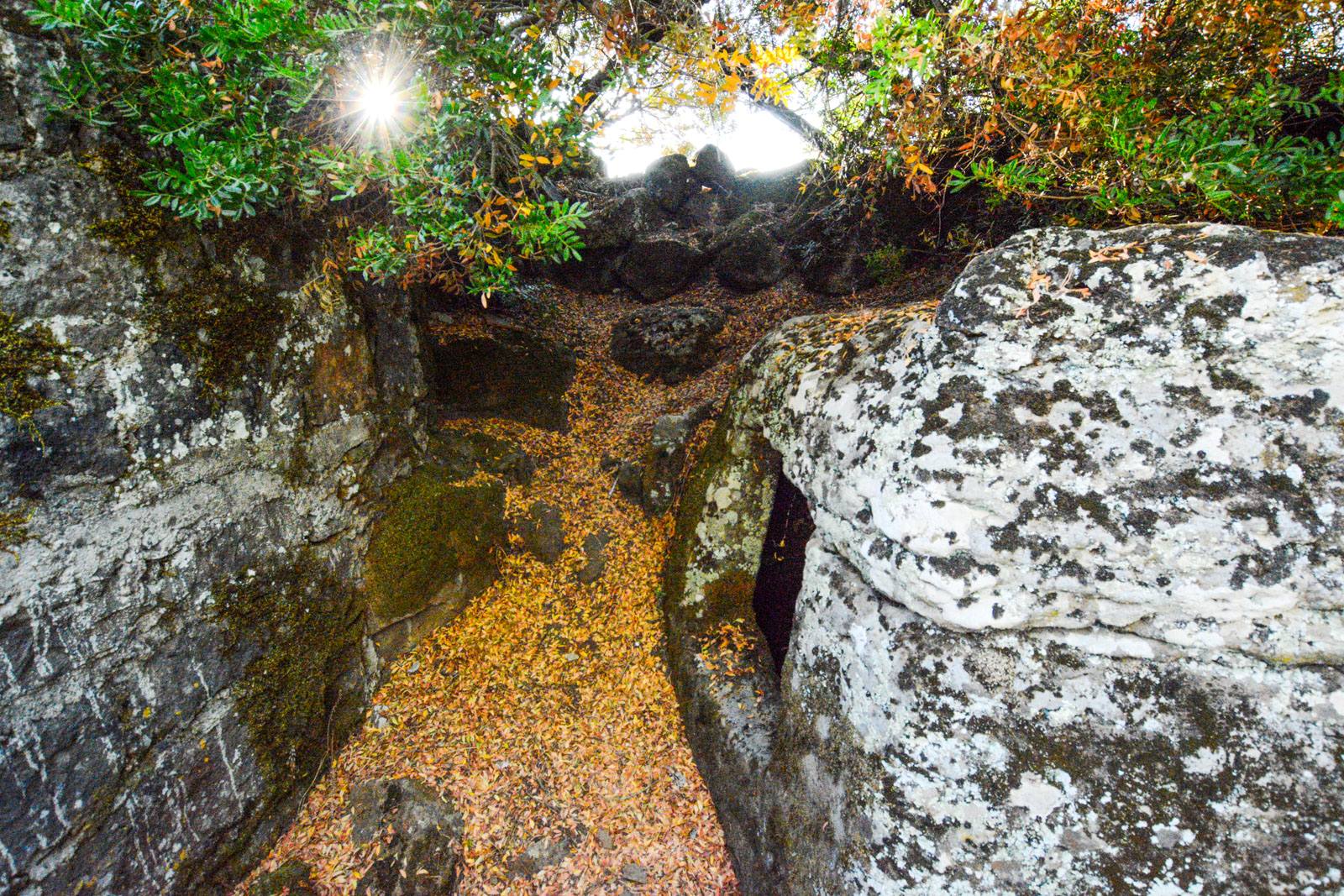
Ghilarza’s perspective expands as you venture toward its outskirts, where nature seamlessly meets archaeology and 20th-century engineering. The village is intimately tied to Lake Omodeo—one of the largest artificial reservoirs in Europe, created by damming the Tirso River—whose shores offer natural landscapes dominated by rich birdlife. In the surrounding countryside, bearing witness to millennia of human presence, stand nuragic monuments of great importance, such as Nuraghe Orgono, celebrated for its unique layout and an exceptionally well-preserved inner chamber.
Ghilarza thus reveals itself as an ideal meeting point for anyone seeking a Sardinia far removed from coastal clichés, seamlessly blending the intensity of major 20th-century history with the timeless charm of ancient stone civilizations.