


Castles of Sardinia
An itinerary through history, villages, and timeless landscapes
Overview
Towers overlooking silent valleys, walls gazing out across the sea, fortresses perched on hills of basalt and limestone.
The Castles of Sardinia itinerary is a journey back in time, exploring the strongholds that shaped the island’s Middle Ages and the era of the Judicates, when Sardinia was a mosaic of powers, borders, and alliances.
From the panoramic ruins of the Castle of Acquafredda in Siliqua to the historic heart of the Castle of Eleonora d’Arborea in Sanluri; from the elegant Aymerich Castle in Laconi, surrounded by greenery, to the Malaspina Castle watching over the colourful rooftops of Bosa.
The route continues across the northern highlands with the Castle of Goceano in Burgos, the majestic Doria Castle in Castelsardo overlooking the Mediterranean, and the Castle of Pedres just outside Olbia.
The eastern coast is not to be missed, with the striking Castle of Fava towering above Posada, before reaching the heart of the Baronia, where Pontes Castle tells centuries of history above Galtellì.
An itinerary that weaves together spectacular landscapes, authentic villages, and atmospheres rich with memory.
An invitation to slow down, climb higher, look further, and let ancient stones guide you along the invisible thread of Sardinian history.
Castles of Sardinia
🕒 6 Days
🏰 9 Castles
Follow the route in any order you like
Pick the stops that inspire you most
Book at your own pace
750 €
Indicative price per person. Prices may vary depending on the season, selected accommodations, and included services.
- DAY 1 - MORNING
- DAY 1 - AFTERNOON
- DAY 2
- DAY 3 - MORNING
- DAY 3 - AFTERNOON
- DAY 4
- DAY 5 - MORNING
- DAY 5 - AFTERNOON
- DAY 6
Acquafredda Castle

Admission
Ticket
Duration
2 hours
Difficulty
Medium
📖 The Context
The Castle of Acquafredda rises atop a volcanic hill and is closely linked to Count Ugolino della Gherardesca, made famous by Dante Alighieri, who mentions him in the Divine Comedy.
🏰 The Structure
The fortress is arranged across three levels:
At the base stood the fortified village, with soldiers’ quarters, stables, and service areas such as storage rooms and warehouses.
Further up, you reach the cistern tower, essential for supplying water to the entire complex, especially during sieges.
At the top lies the heart of the castle, where the noble quarters and the main defensive structures were located.
☀️ When to Visit
The best time to plan your visit is in the morning: the light is bright and clear, temperatures are more comfortable, and the view over the Cixerri Valley is at its finest. It’s the perfect moment to enjoy the panorama and explore without the heat of the midday sun.
👟 What to Wear
Wear comfortable shoes—ideally light hiking footwear or shoes suitable for walking on dirt paths and rocky terrain—and bring water and a hat. The climb is short but immersed in nature, and practical clothing truly makes the difference.
Eleonora D'Arborea Castle

Admission
Ticket
Duration
2 hours
Difficulty
Easy
📖 The Context
The afternoon is dedicated to one of the best-preserved fortresses on the island. An undisputed symbol of Sanluri, the Castle of Eleonora d’Arborea is the only still-inhabited castle among the more than eighty found in Sardinia—a true highlight, set within a historic centre that retains an authentically medieval atmosphere.
🏰 The Castle
The building has a square layout, with two real towers and two “false” ones, designed to visually strengthen the defensive structure. Inside, elegant rooms guide visitors along a dual journey: on one side, the story of castle life during the Judicate period; on the other, an insightful look at World War I, thanks to several themed rooms displaying historical objects and memorabilia.
👟 What to Wear
Compared to the morning stop, this visit is easier and more urban: no demanding climbs, just the pleasure of exploring halls, courtyards, and walkways, followed by a stroll through the village streets. A more relaxed pause, perfect for ending the day by blending history, architecture, and local life.


Aymerich Castle

Admission
Free
Duration
2 hours
Difficulty
Medium
📖 The Context
Aymerich Castle doesn’t tower over the town like a classic medieval fortress. Instead, it’s more secluded, nestled within one of Sardinia’s most beautiful urban parks. A kind of green retreat, it’s the ideal place for a walk surrounded by lush scenery and a slightly fairytale-like atmosphere.
🏰 The Castle
Don’t expect furnished rooms or “brochure-style” reconstructions. What remains of the castle are towers, walls, and partial structures—just enough to spark your imagination, without having history spoon-fed to you.
Built in the 12th century by the Aymerich family, today it lives in harmony with the surrounding park. The visit is informal and free-flowing, made up of strolls among centuries-old trees, sudden glimpses of ruins, and scenic viewpoints overlooking the landscape.
👟 What to Wear
Comfortable shoes are essential. The park is spacious, and paths alternate between dirt trails and gentle slopes. No technical gear is needed, but it’s best to avoid sandals or smooth soles.
Compared to more physically demanding stops, this visit is relaxed and suitable for everyone: you walk, explore, and take your time enjoying the surroundings—perhaps rounding things off with a stroll through the town centre.
☀️ When to Visit
Morning is the best time to plan your visit, when the light enhances the park and temperatures are more pleasant. This way, you can enjoy Laconi at an easy pace and then head calmly toward Bosa in the afternoon, dedicating the rest of the day to discovering the town—wandering through colourful streets, along the riverside, and ending with a relaxed evening in the historic centre.
Malaspina Castle

Admission
Ticket
Duration
2 hours
Difficulty
Easy
📖 The Context
Serravalle Castle, also known as Malaspina Castle, is one of Bosa’s most iconic historic landmarks, perched atop Serravalle Hill overlooking the town and the Temo River.
Its location was no coincidence: from here, it was possible to control the valley and the route to the sea—strategic elements in medieval times for overseeing trade routes and defending the territory.
🏰 The Castle
The castle was built between the late 12th and early 13th centuries by the noble Tuscan Malaspina family of Spino Secco, who played an important role in the area’s politics and defence.
Over the centuries, it was expanded and altered several times by successive rulers (including the Arborense and Aragonese), evolving into a complex fortified structure with defensive walls and numerous towers spread across the plateau.
What remains today are mainly the imposing walls, towers, and the patrol walkway, along with the church of Our Lady of Sos Regnos Altos, home to 14th-century frescoes that bear witness to the site’s long history.
👟 What to Wear
Reaching the summit involves an uphill walk through narrow streets and stairways winding through the medieval quarter, so comfortable shoes and clothing are recommended. The route isn’t difficult, but it can feel demanding under the sun or on wet ground—bringing water and taking your time makes the experience much more enjoyable.
⏱️ When to Visit
A visit to Malaspina Castle takes about one hour, with extra time well spent enjoying the views and taking photos.
The best time to head up is in the morning, when temperatures are still mild and the light is ideal for photographing Bosa from above.
Goceano Castle

Admission
Ticket
Duration
2 hours
Difficulty
Medium
📖 The Context
Surrounded by forests and rugged hills, Goceano Castle overlooks the small town of Burgos from a strategic position that, in medieval times, allowed full control of the surrounding territory.
It is one of the best-preserved medieval fortresses on the island and represents a lesser-known stop compared to other Sardinian castles—but precisely for this reason, it feels especially authentic.
🏰 The Castle
Built in the 12th century at the request of Judge Gonario of Torres, the castle played a central role in the history of the Judicate of Torres and in the political dynamics of northern Sardinia.
Its main tower rises solid and unmistakable, a reminder that this was not just a military outpost, but a true centre of power.
The complex is organised around a large keep that remains clearly legible today, flanked by defensive walls and interior spaces that offer a clear understanding of the fortress’s original layout.
👟 What to Wear
The climb to the castle is short but uphill, and inside you’ll be walking on uneven surfaces. Comfortable shoes are recommended, especially if you plan to go up to the panoramic tower.
The visit isn’t particularly long, but bringing water is a good idea during the summer months.
⏱️ When to Visit
The visit takes around 2 hours on average.
Late afternoon is the best time for your tour, when the atmosphere softens and temperatures become more pleasant.
Doria Castle

Admission
Ticket
Duration
2 hours
Difficulty
Easy
📖 The Context
Built between the 12th and 13th centuries by the powerful Genoese Doria family as Castel Genovese, the castle served as an important defensive stronghold and seat of local power, playing a strategic role in controlling maritime and land routes along the island’s north-western coast.
Although its interior does not house major archaeological collections, its close connection with the medieval village and the surrounding landscape makes it a compelling visit for anyone interested in understanding Sardinia’s military and civic history.
🏰 The Castle
The structure is organised around a fortified core of thick walls and rooms arranged over several levels, all linked by stairways and internal passages that tell the story of the settlement. Within the walls you’ll now find the Mediterranean Weaving Museum, featuring exhibitions dedicated to traditional weaving and basketry techniques—an important cultural heritage deeply rooted in local tradition.
Climbing up to the walls and bastions rewards visitors with sweeping views over the town below, the sea, and on particularly clear days, even the island of Asinara.
👟 What to Wear
The walk up to the castle winds through narrow streets and stairways in the historic centre, and some interior areas have uneven or sloping surfaces. Comfortable shoes are practically essential—best to avoid smooth soles or footwear not suited for uphill walking.
Bring water and a hat, especially during the warmer months, as much of the approach is exposed to the sun before reaching the panoramic viewpoints along the walls.
⏱️ When to Visit
A complete visit to Doria Castle takes about 1.5 hours, allowing time to climb up, explore the interior spaces, visit the Mediterranean Weaving Museum, and enjoy the views.
The best time to tackle the ascent is in the morning or late afternoon. In the morning, temperatures are milder and the light is ideal for viewing the village from above; later in the day, the lowering sun casts warmer tones across the coastline.
Pedres Castle

Admission
Free
Duration
1 hour
Difficulty
Medium
📖 The Context
The fortress lies just a few minutes from Olbia, perched on a hill overlooking the plain and the Gallura hinterland. At its foot stands one of Sardinia’s best-preserved Giants’ Tombs, Su Mont’e S’Abe.
There are no fixed routes—just a short walk leading to a strategic panoramic viewpoint, where history and landscape blend into a remarkably harmonious setting.
🏰 The Castle
Built between the 13th and 14th centuries, most likely during the Pisan period, Pedres Castle served mainly as a military outpost, controlling the surrounding territory and protecting access to the town and inland routes.
Today, sections of the perimeter walls, the main tower, and a few interior spaces remain—enough to clearly understand the original layout. The visit is simple and quick, but the real highlight is the view. From the top, you’re rewarded with wide vistas over the Gallura countryside and, on clear days, all the way to the sea.
👟 What to Wear
The climb is short but over uneven ground, so comfortable shoes are your best choice. No technical clothing is needed, but it’s best to avoid sandals or smooth soles.
In summer, bringing water and a hat is recommended, as the area is quite exposed and shade is scarce along the final stretch.
⏱️ When to Visit
The visit takes about one hour on average, including the walk up the hill and time to enjoy the panorama.
Morning is the best time, when the light enhances the landscape and temperatures are more pleasant.
Before continuing your journey, Sardenya recommends taking a few extra minutes to admire the ancient Giants’ Tomb of Su Mont’e S’Abe just below the castle.
Fava Castle

Admission
Ticket
Duration
1 hour
Difficulty
Easy
📖 The Context
This fortress rises high and proud like a historic cherry on top of a cake made of an ancient, atmospheric village called Posada.
🏰 The Castle
Built between the 12th and 13th centuries, most likely during the Pisan period, the castle had a clear strategic purpose: controlling the Posada River valley and the stretch of coastline below—an essential hub for whoever ruled this territory.
Today, what remains is mainly the main tower, alongside sections of the walls and a simple but well-organised visitor route. From the top, sweeping views open up over the lagoon, the surrounding hills, and the sea—without doubt one of the most beautiful panoramas in the area.
The visit is neither long nor demanding, yet highly rewarding: in a short time, you take home history, scenery, and a fresh perspective on the village.
👟 What to Wear
The ascent starts in the historic centre and continues along steps and sloping paths. Comfortable shoes are recommended, especially for accessing the tower.
During the warmer months, it’s best to bring water and sun protection, as the area is quite exposed—particularly along the final stretch.
⏱️ When to Visit
The visit takes about 45 minutes on average, including time to climb the tower and enjoy the views.
Late afternoon is ideal, especially if you’re looking for warmer light and a relaxed atmosphere—perfect for ending the day with a panoramic view before heading back down into the village.
Pontes Castle
Admission
Ticket
Duration
1 hour
Difficulty
Easy
📖 The Context
We’re just outside Galtellì, in a spot that for centuries served as a key strategic link between the coast and the inland areas. Today, it’s an ideal stop for those who love simple places and free exploration—no fixed routes, no scheduled visiting hours, just open space and quiet discovery.
🏰 The Castle
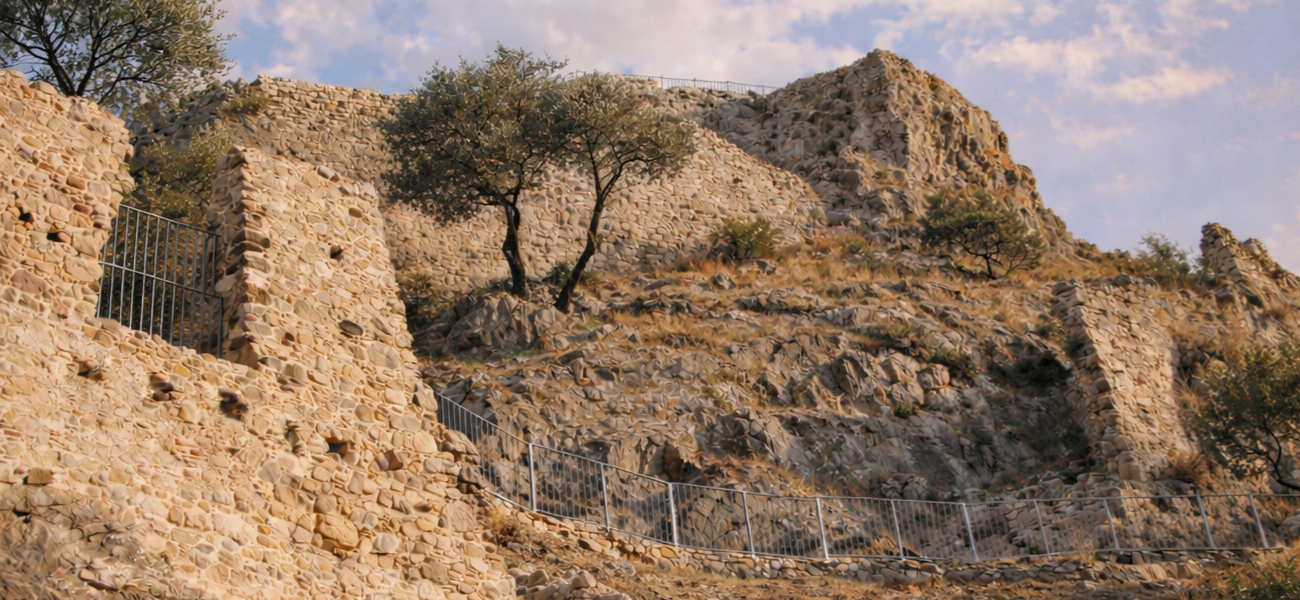
Built between the 12th and 13th centuries, Pontes was part of the area’s medieval defensive system and controlled one of the main passages toward central Sardinia. Today, only sections of walls and perimeter structures remain, but it doesn’t take much imagination to picture the original layout of the fortress.
Once at the top, your gaze sweeps freely across the valley, the village below, and the first folds of the Supramonte. It’s one of those views that instantly explains why this hill was so strategically important from a military point of view.
👟 What to Wear
The walk is short, but the ground is uneven and slightly uphill, so comfortable shoes are essential.
During warmer periods, it’s best to bring water: once at the top, sun exposure is significant.
⏱️ When to Visit
Allow about two hours to enjoy the walk at an easy pace, including the climb. It’s not a long stop, but it’s worth taking your time.
Morning is ideal, when the light defines the valley beautifully and temperatures are still manageable. Late afternoon works just as well—perfect for ending the day with warm colours and a panoramic view.