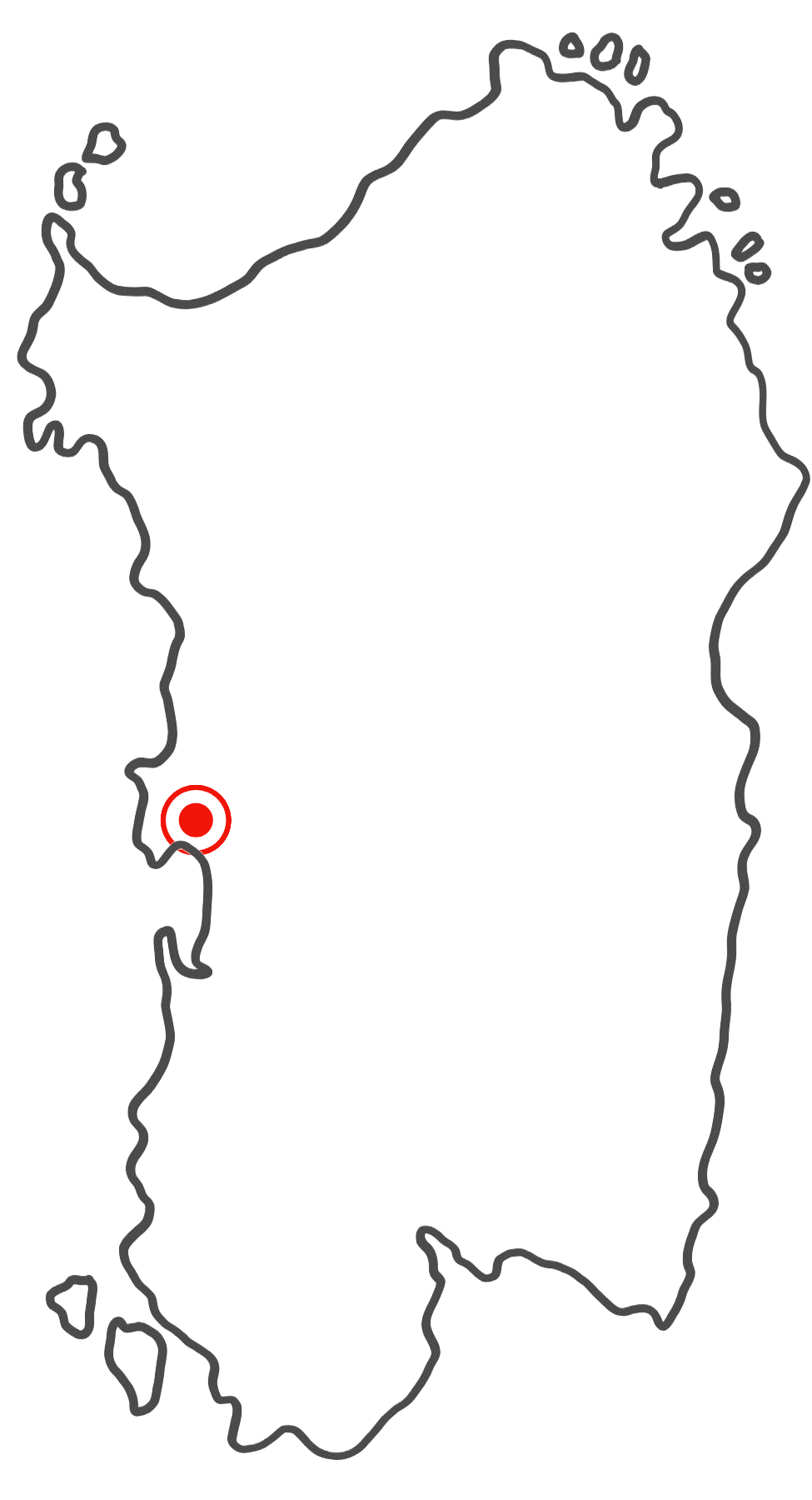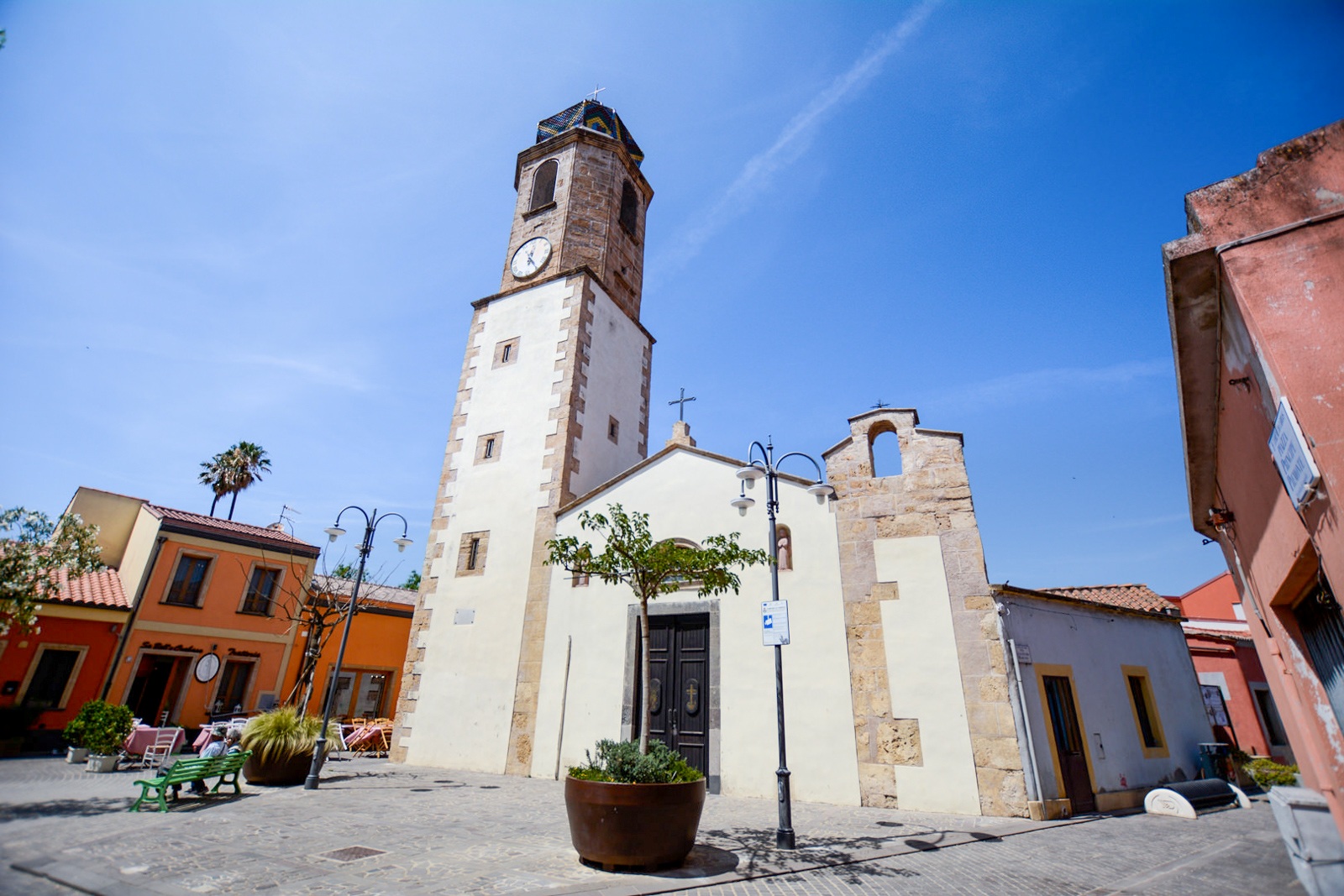


A cluster of low stone buildings, unpaved lanes, and a timeless atmosphere define the village of San Salvatore di Sinis. Nestled in the countryside of the municipality of Cabras, this small rural settlement originated as a sanctuary village—populated by the faithful only during religious ceremonies—yet retains an identity so unique that it even captured the attention of the film industry.
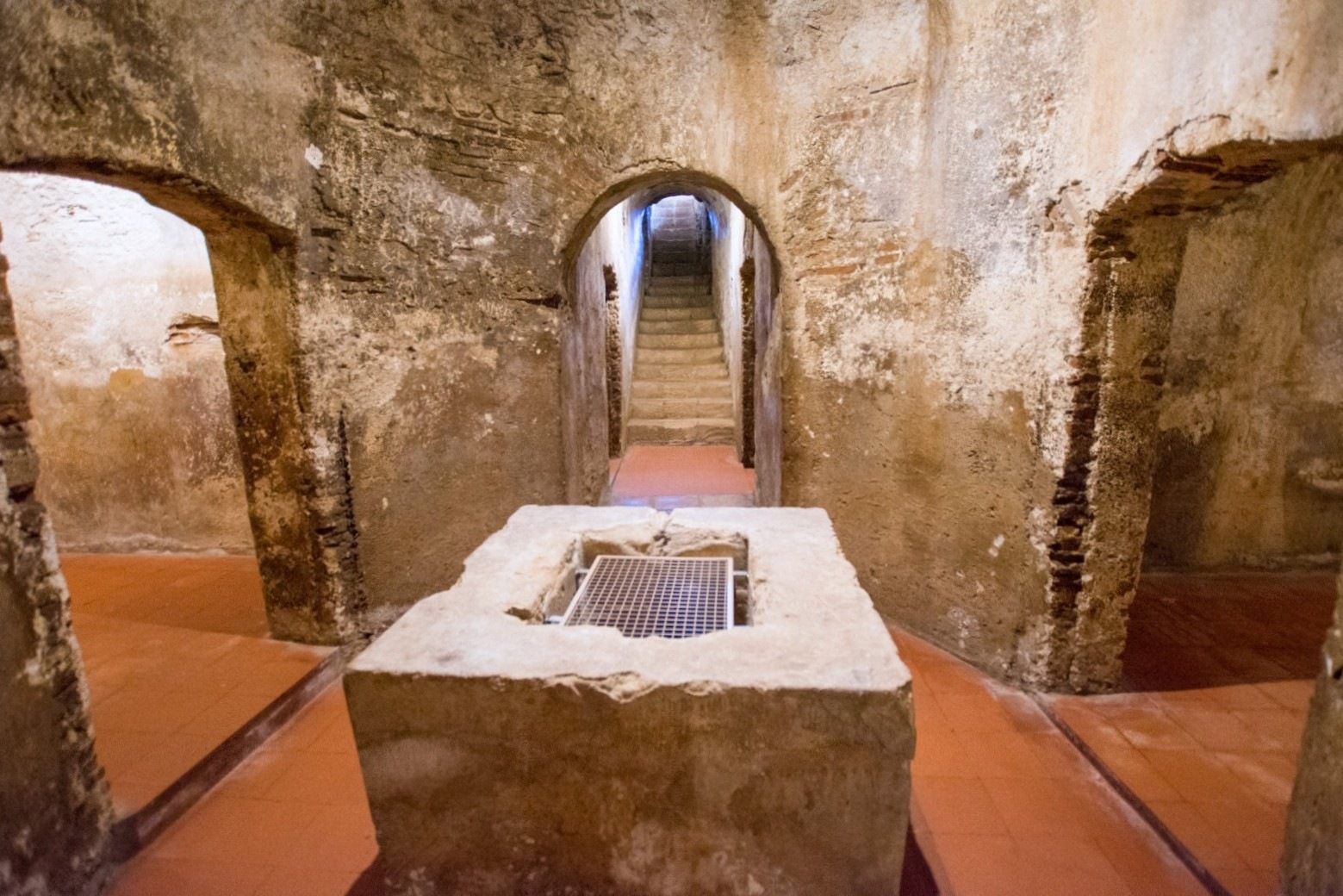
The history of San Salvatore reaches deep into the earth. Beneath the 17th-century church overlooking the main square lies an underground sanctuary (ipogeo) of Nuragic origin, later used during Punic, Roman, and Early Christian times. This subterranean shrine preserves remarkable ancient graffiti, including drawings of ships, pagan deities, and inscriptions in Greek and Arabic—a testament to a millennium of overlapping faiths and cultures. The village reaches its peak of devotion every September, when it hosts the evocative Corsa degli Scalzi (Race of the Barefoot), an ancient procession in which hundreds of barefoot devotees run while carrying the statue of the Saint from the center of Cabras all the way to the sanctuary.
Alongside its sacred soul beats a distinctly cinematic heart. During the 1960s and 70s, the spartan architecture of its traditional homes (Cumbessias) and the surrounding dry, dusty landscape attracted several film productions, transforming San Salvatore into a set for famous Spaghetti Western movies. Saloons, low houses, and dirt roads still transport visitors into the atmosphere of a true ghost town of the Sardinian plains.
San Salvatore di Sinis stands out as a unique and captivating stop, where the mystery of ancient underground cults meets the allure of cinema and a deeply passionate local tradition.