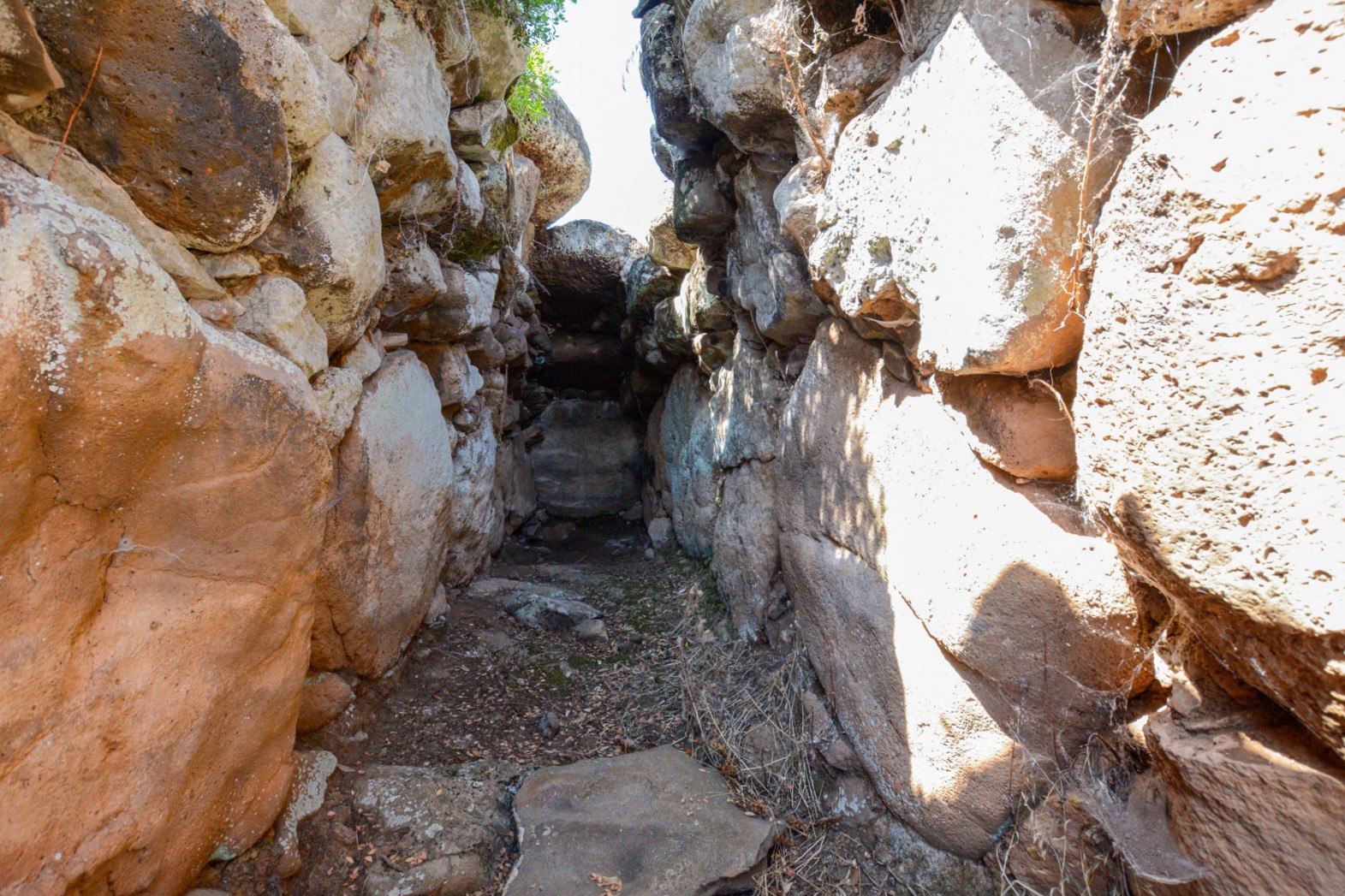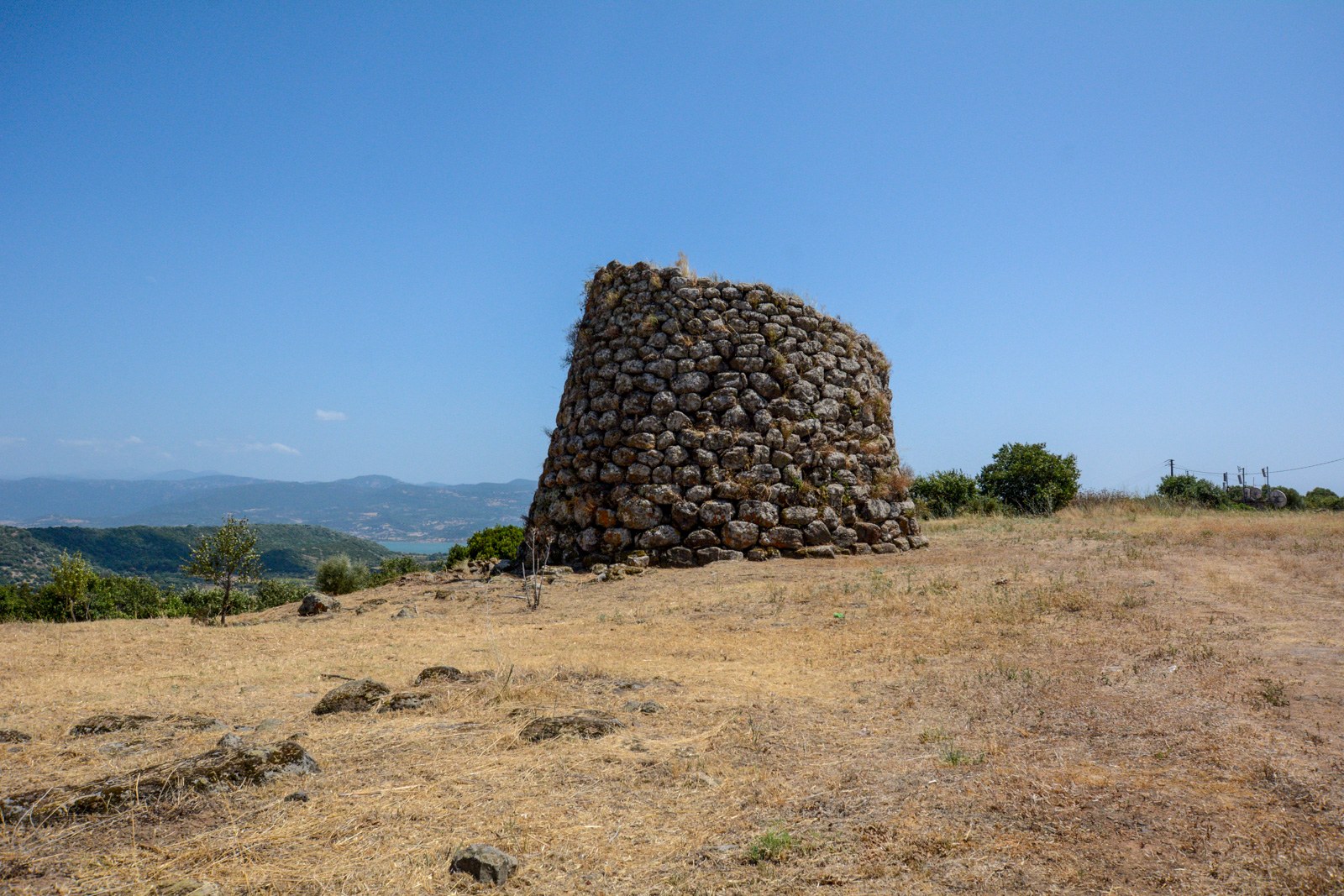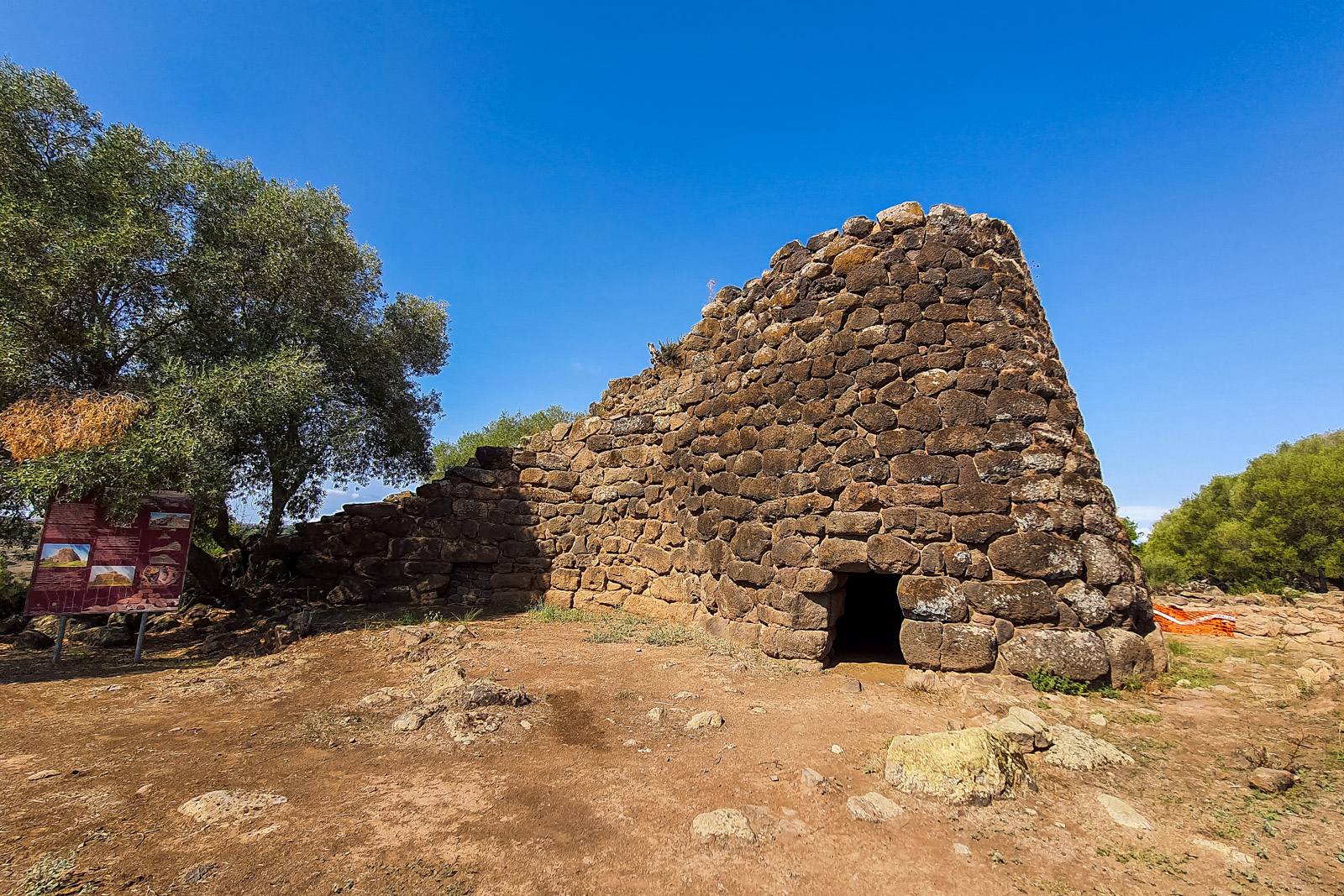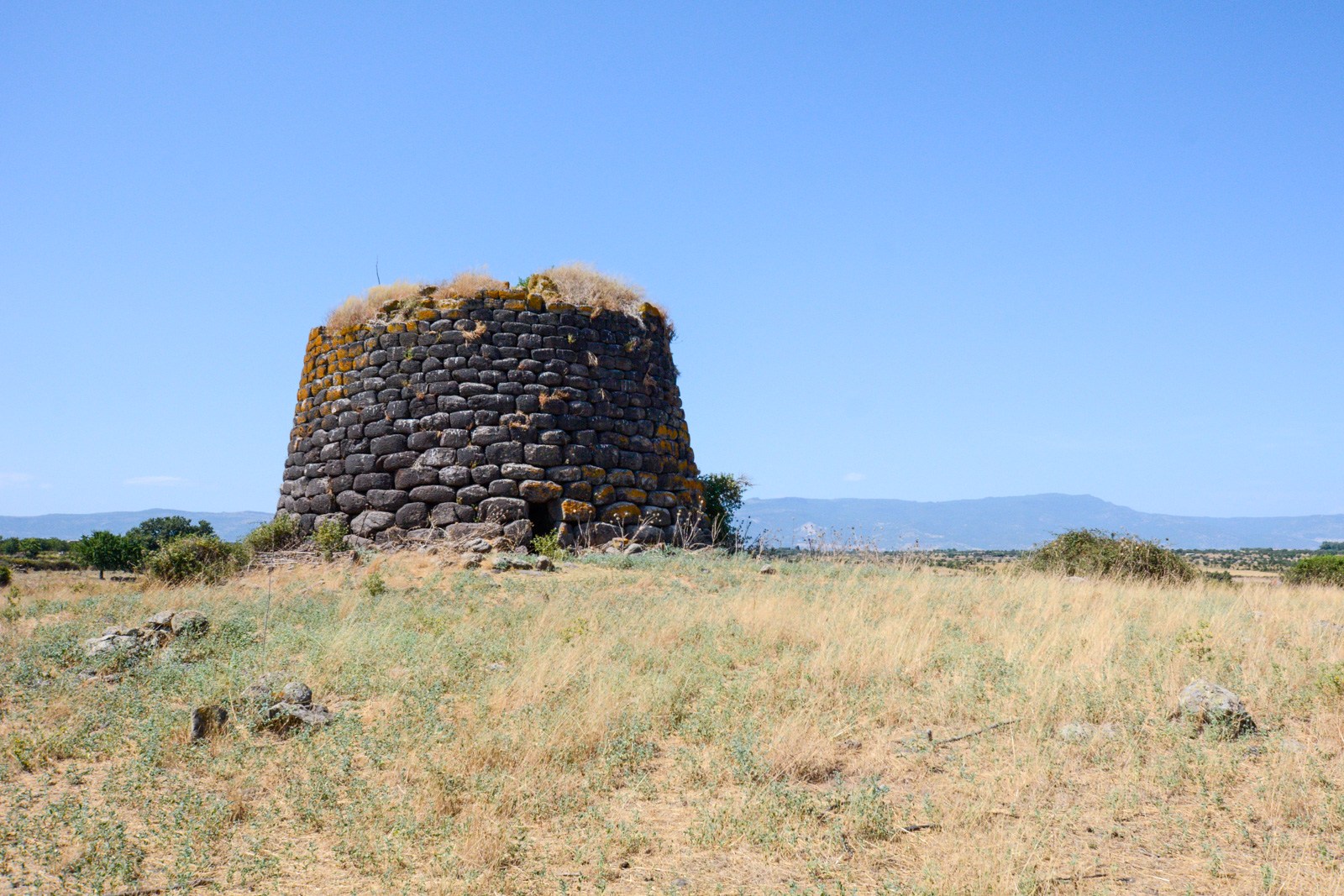


Iconic representation of the megalithic spirituality of Sedilo, the baetyl of Santu Antinu 'e Campu embodies the profound bond between stone, the sacred, and the territory.
This conical basalt monolith, sculpted with sober elegance by prehistoric man, stands as an aniconic symbol of divinity, a sentinel and silent protector of the surrounding lands.
Originally linked to a cult or funerary context, likely near a giants' tomb or a Nuragic ceremonial area, the baetyl has crossed the centuries retaining a completely unaltered magnetic charge. Its tapered and well-polished shape testifies to the great technical skill in molding hard volcanic rock, transforming an inert block into a pillar dense with symbolic meanings linked to fertility, ancestors, and the connection between earth and sky.
The name itself refers to the subsequent Christianization of these places, demonstrating a continuity of devotion that has seen ancient rituals and more recent traditions overlap in the same geographical space. Observing the baetyl of Santu Antinu 'e Campu up close means coming into direct contact with the mythical dimension of Sardinia, a place where collective memory sinks its roots into millennial stone.