


A Culture of a Thousand Roots
The indelible footprints left by the civilizations that have crossed the island over the millennia
At the crossroads of Mediterranean routes, Sardinia has always been a land of encounters, crossings, and cultural convergences. Over the millennia, the island has seen a succession of different rulers, each leaving an indelible footprint on the art, language, traditions, and very DNA of this territory, transforming it into an incredible mosaic of influences.
This article is designed to guide you on a journey through time, discovering the civilizations that once conquered and inhabited the island. Through historical evidence and the traces still visible today, we will explore the key eras that stratified Sardinian culture, revealing how each ruling power contributed to forging a proud, complex identity of a thousand roots.
Did You Know?
The Sardinian language is a living historical archive: everyday words like sulecu (sirocco wind) derive directly from Phoenician, while terms such as tzatza (fringe) have Byzantine origins.
The Phoenicians (9th–6th Century BC)
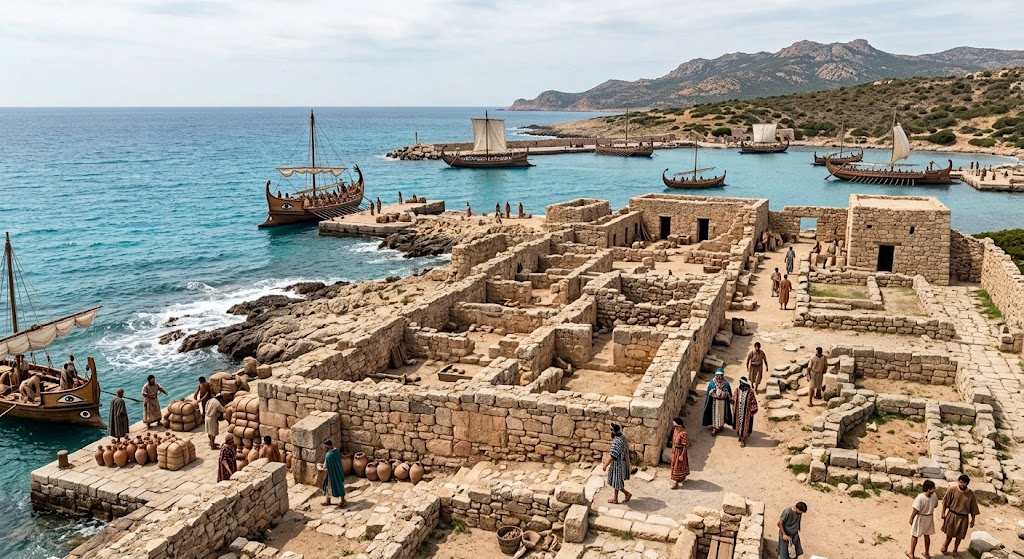
Arriving from the sea as skilled merchants and navigators originally from Lebanon, the Phoenicians began frequenting the Sardinian coasts around the 9th century BC. Drawn by the island’s strategic position and its rich mineral reserves, they did not launch a violent military conquest, but rather a peaceful colonization based on commercial exchange.
Over the centuries, this coexistence led to the birth of the first true urban centers in Sardinia, such as Karalis, Nora, Sulky, and Tharros. Along the promontories and within natural harbors, the Phoenicians built markets, landing places, and sanctuaries, gradually integrating with the communities already inhabiting the island's hinterland.
Once bustling ports at the center of ancient Mediterranean routes, today the archaeological evidence and artifacts that have reached us, including the famous Nora Stone, containing the oldest written mention of Sardinia, tell the story of the very beginning of a long history of exchanges and cultural fusions.
Carthaginians (6th–3rd Century BC)
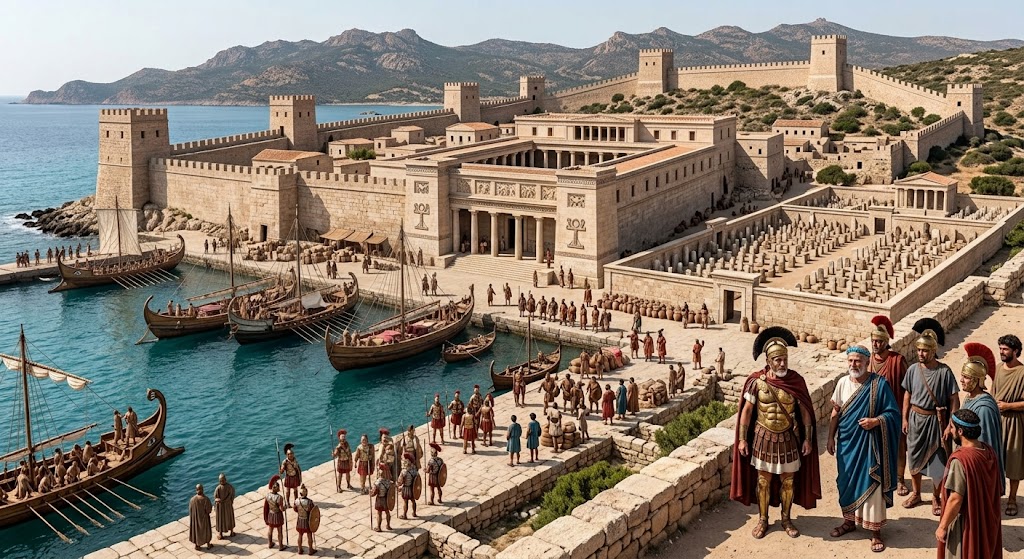
Driven by the need to defend coastal trading posts and expand their influence, the Carthaginians, a civilization of Phoenician origin coming from North Africa, initiated the military conquest of Sardinia around the 6th century BC. Unlike their predecessors, they imposed a ironclad rule, seizing control of the coasts and the fertile plains of the Campidano.
During this period, the urban centers inherited from the Phoenicians were fortified with imposing defensive walls and transformed into true military and commercial strongholds. The Carthaginians reorganized the island's agriculture by introducing intensive wheat cultivation, driving the local populations of the hinterland into constant resistance.
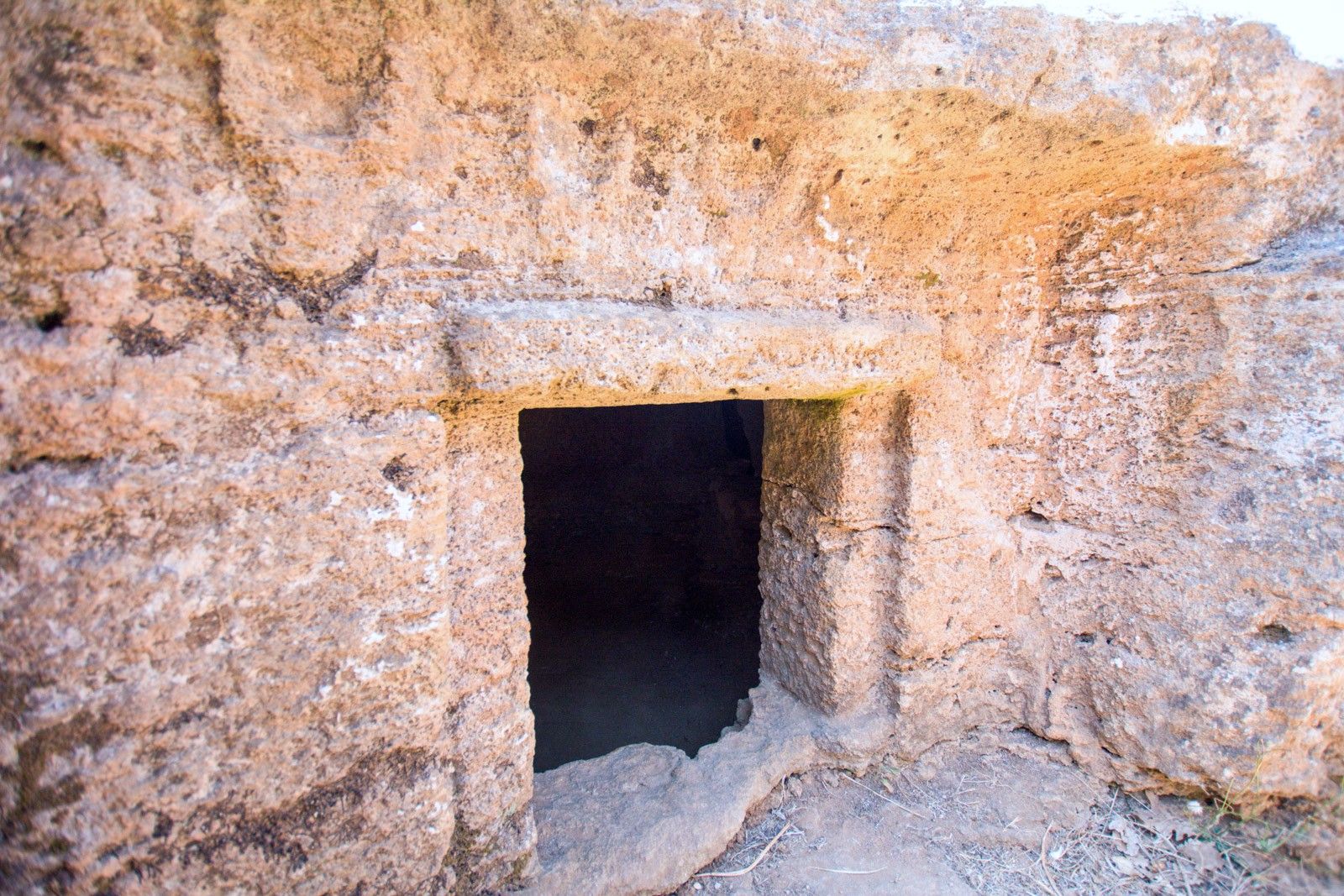
Once a strategic and contested province of the Carthaginian empire in the heart of the western Mediterranean, today the imposing fortifications of Monte Sirai and the rich Punic necropolises bear witness to an era of profound social transformations and bitter conflicts that marked Sardinian history until the arrival of the Romans.
Romans (238 BC – 5th Century AD)
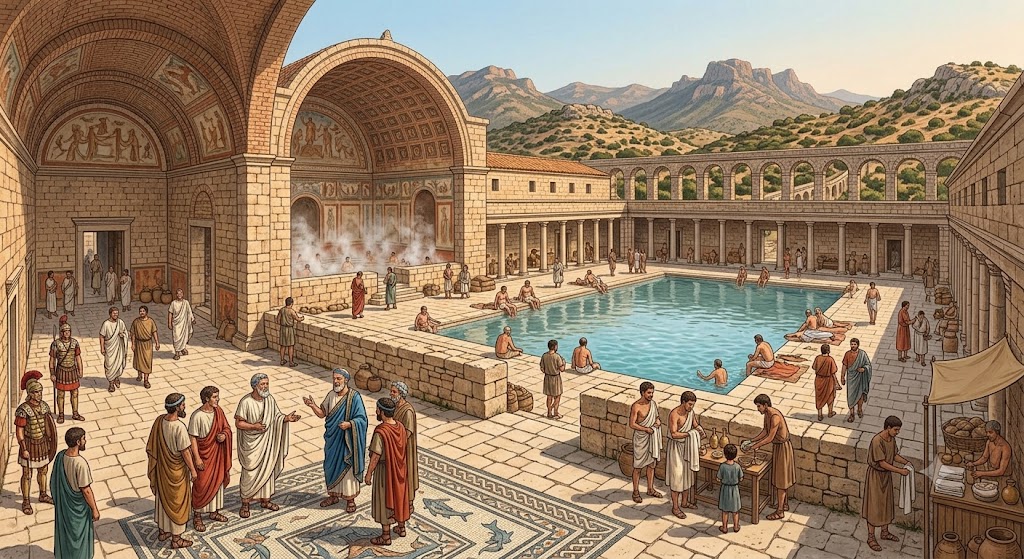
Seized from Carthage in 238 BC following the First Punic War, Sardinia became one of the very first provinces of the Roman Republic. Roman rule, which lasted about seven centuries, was not without bitter tensions: while the coasts Romanized rapidly, the populations of the hinterland resisted for a long time, prompting the conquerors to dub that inaccessible area Barbaria (today's Barbagia).
During this incredibly long period, the island was transformed into a strategic hub and the literal "granary of Rome" thanks to the intensive cultivation of grains. The Romans reorganized the territory by building a dense road network to connect the main centers, founded new cities such as Turris Libisonis (Porto Torres), and introduced Latin, the mother tongue from which modern Sardinian subsequently developed.
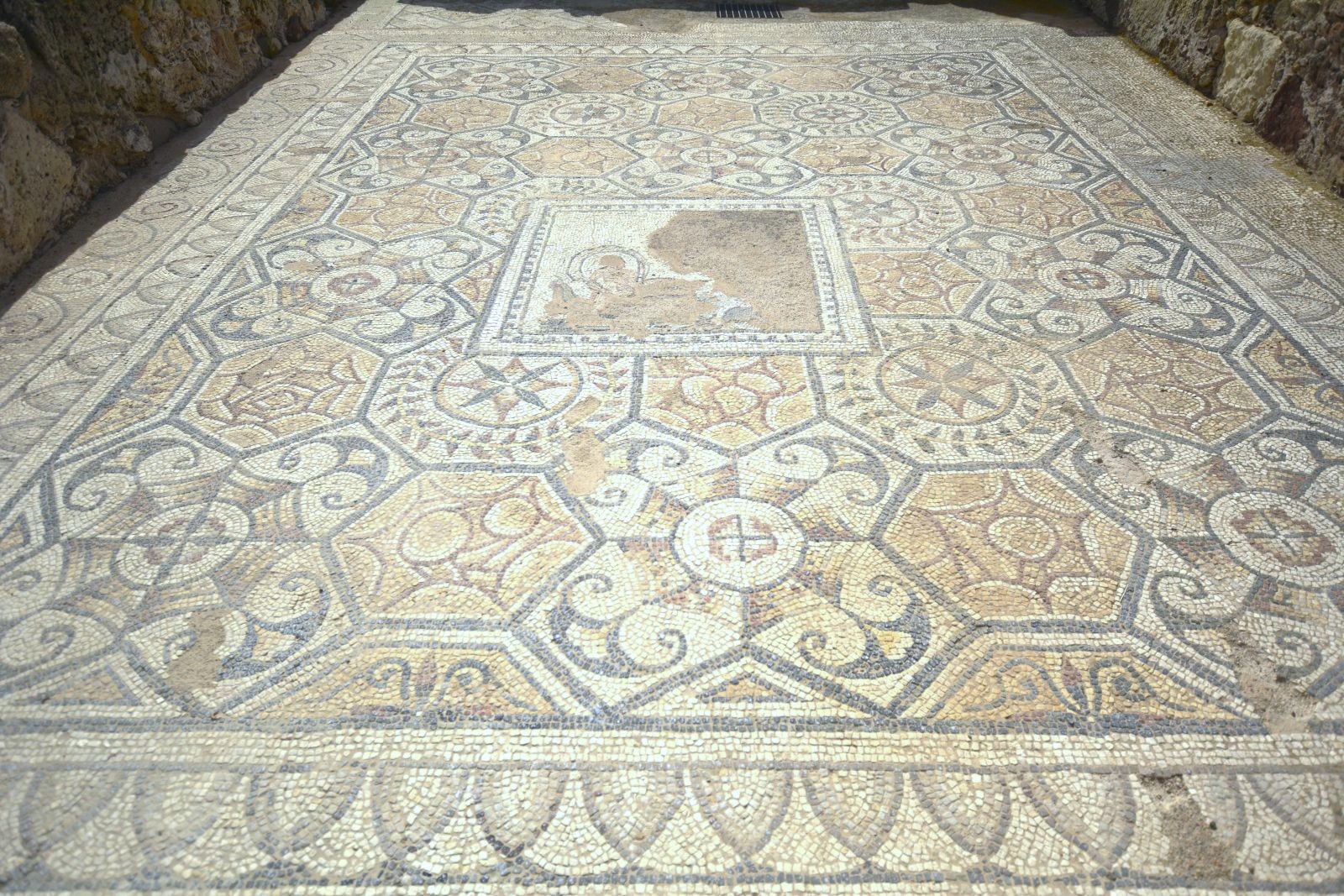
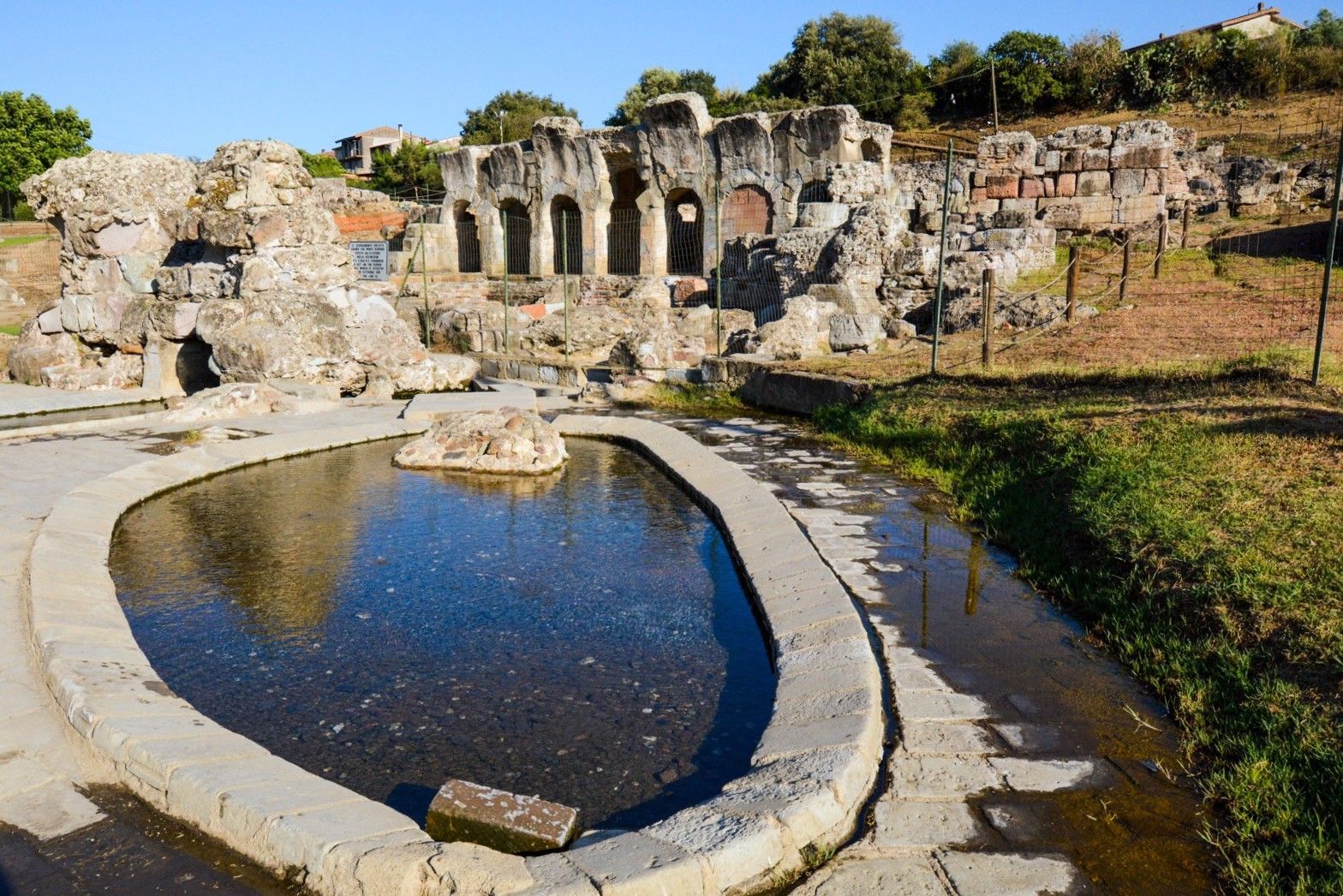
Once a land of harsh conquests and vital importance for the destinies of the Empire, today the majestic ruins of the Fordongianus baths, the Roman amphitheater of Cagliari, and the stone bridges scattered throughout the territory bear witness to the greatness of an era that left an indelible and definitive imprint on Sardinian identity.
Byzantines (534 – 10th Century AD)
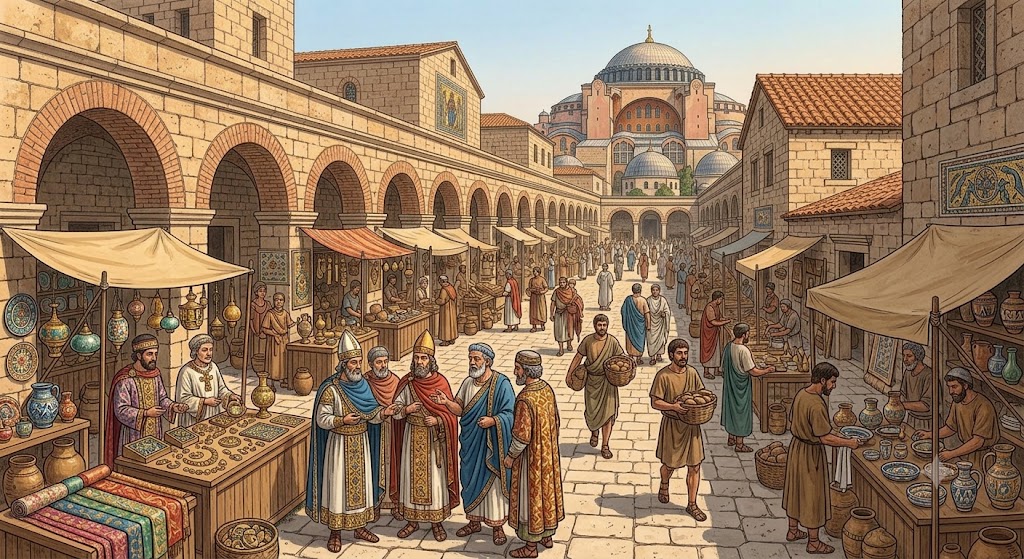
Following the reconquest of the West by Emperor Justinian, the Byzantines put an end to the brief Vandal interlude and established their control over Sardinia in 534 AD. The island became a strategic province of the Eastern Roman Empire, governed by a civilian praeses and a military dux.
Under the long Byzantine administration, which lasted several centuries, Sardinia underwent a profound religious and cultural reorganization. Numerous monasteries and basilicas in early Christian and Byzantine styles emerged, and the worship of Greek and Eastern saints spread widely. This coexistence was complex, marked on one hand by the introduction of new artistic models, and on the other by heavy fiscal pressure and attempts at resistance in the inland areas.
Once a crucial outpost for controlling the central-western Mediterranean against Saracen raids, today the fascinating religious architecture of San Giovanni di Sinis and Sant’Antioco di Sulcis, with their domes and Greek-cross layouts, represent the most significant traces of an era that inextricably linked the destiny of Sardinia to that of Constantinople.
Pisan and Genoese (11th – 14th Century)
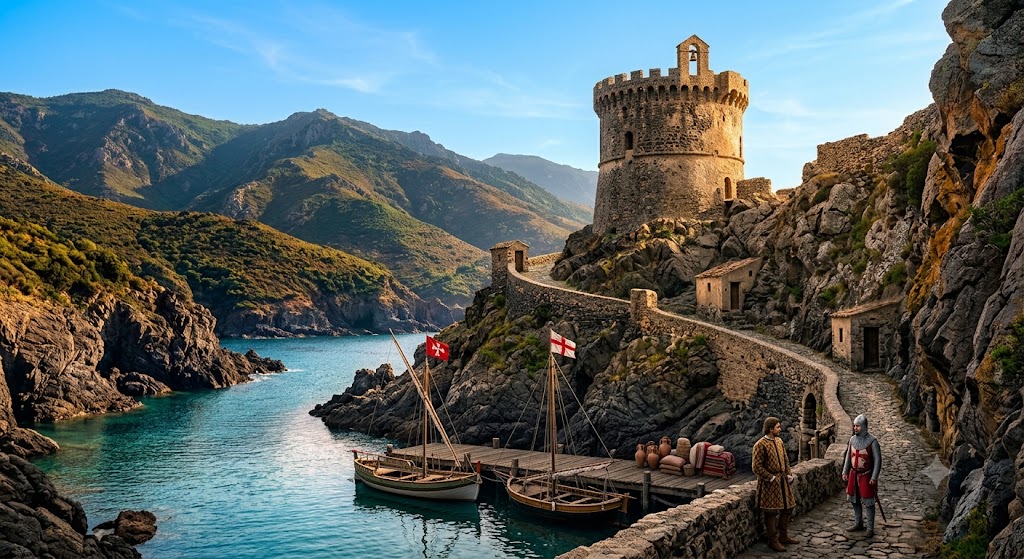
Between the 11th and 14th centuries, Sardinia became the theater for fierce competition between the two powerful Maritime Republics of Pisa and Genoa. Exploiting the weakness of the Sardinian Giudicati (independent kingdoms), the two powers intervened heavily in the island's political affairs, carving up its territories and spheres of influence through a continuous cycle of alliances and armed conflicts.
During this period, coastal cities and centers of power were transformed according to the architectural and urban models of Tuscany and Liguria. Watchtowers were erected, fortifications in strategic towns were reinforced, and Romanesque churches were built, bringing advanced construction techniques and a new agricultural organization based on large feudal estates to Sardinia.
Once a strategic battlefield for control of shipping routes in the Tyrrhenian Sea, today the mighty defensive walls of the Castello district in Cagliari, the coastal towers that still dot the shoreline, and the splendid Romanesque cathedrals represent the indelible legacy of an era in which Pisa and Genoa profoundly redesigned the face of Sardinia.
Aragonese and Spanish (1323 – 1713)
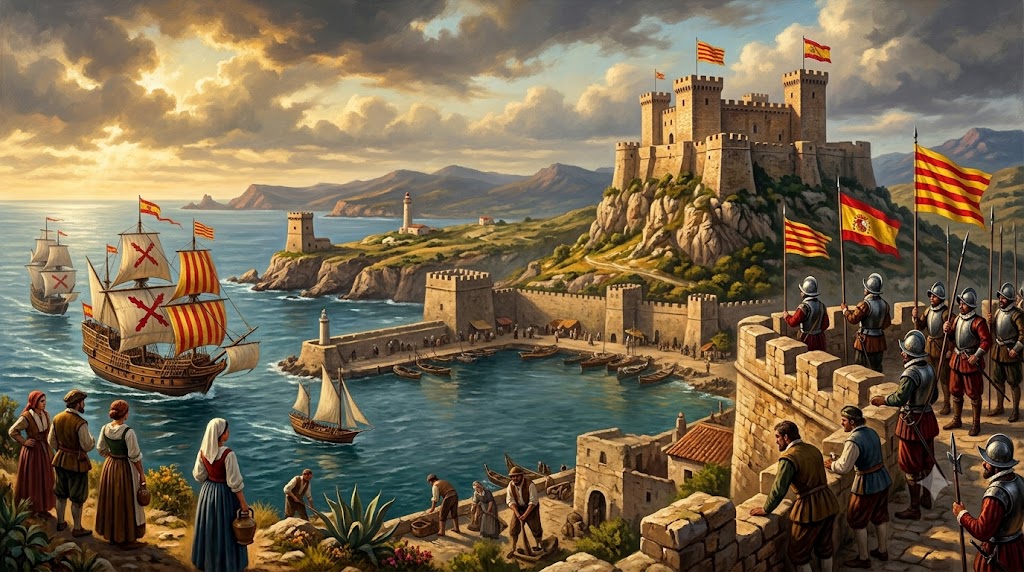
With the official investiture of James II of Aragon by Pope Boniface VIII in 1297, the long chapter of Aragonese, and subsequently Spanish, rule in Sardinia began. After a phase of bitter clashes to consolidate power over the island, the Aragonese succeeded in subjugating the Giudicati, integrating the Sardinian territory into the vast imperial system of the Crown of Aragon and, later, into that of unified Spain.
During the four centuries of Iberian influence, Sardinia underwent profound transformations not only in its administrative and feudal structure, but also in its social and linguistic fabric. The parliamentary system was introduced, urban structures were reorganized with a strong Gothic-Catalan imprint, and Aragonese (and later Spanish) became the official language of administration and culture, leaving clear traces in the Sardinian dialects spoken still today, especially in Alghero.
Once a fundamental piece of Spanish dominion in the Mediterranean, a mandatory stopover for Atlantic routes, and a bulwark against Ottoman expansionism, today the imposing fortifications like the Alghero complex, the Gothic architecture of the Cagliari cathedral, and the religious and folk traditions that still color Sardinian festivals bear witness to a historical and cultural bond that deeply shaped the island's identity.
Piedmontese (1720 – 1861)
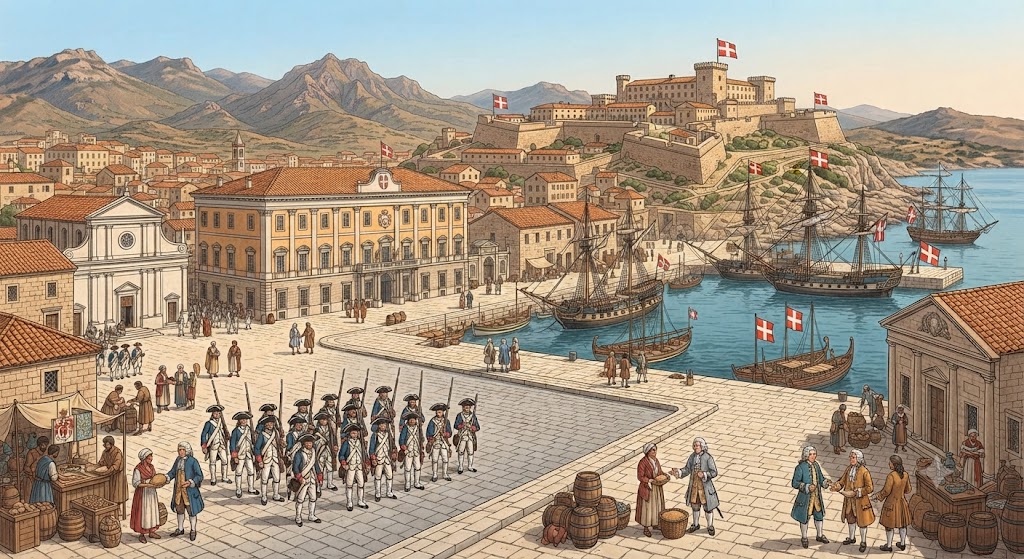
The transfer of Sardinia to the House of Savoy, which officially took place in 1720 with the Treaty of The Hague, marked the beginning of a new era under the Kingdom of Sardinia. The Piedmontese inherited an island exhausted by centuries of Spanish rule and recent wartime events, launching a management characterized by attempts at administrative modernization and a progressive centralization of power toward Turin.
During this period, the feudal structure remained deeply rooted for a long time, provoking severe social tensions that culminated in the revolutionary uprisings of 1794, led by Giovanni Maria Angioy. The House of Savoy nevertheless promoted important reforms, such as the founding of the agricultural colony of San Carlo (present-day Carloforte) and the attempt to repopulate and develop inland areas, seeking to better integrate the island into the economic and military context of their kingdom.
Once the island served as the basis of the royal title for the Dukes of Savoy, who were able to elevate themselves to the rank of Kings precisely thanks to the possession of Sardinia. Today, the neoclassical architectural imprint of many public buildings, the road system that began to connect the territory more effectively, and the memory of the struggles for emancipation bear witness to a century and a half of history that ushered Sardinia into modern Italy.
But the story doesn't end here...
But the story doesn't end here. The millennia-old narrative of Sardinia also includes crucial phases such as the interlude of Vandal rule (456–534 AD), which brought the influence of the Germanic world to the island, and the glorious era of the Giudicati (9th–15th century), a period during which Sardinia enjoyed a unique political autonomy and a sophisticated, indigenous administrative organization. It is an extraordinary mosaic of events that, intertwining with external dominations, forged the unique and resilient identity of a people who managed to preserve their soul intact in the heart of the Mediterranean.
Must-visit archaeological sites
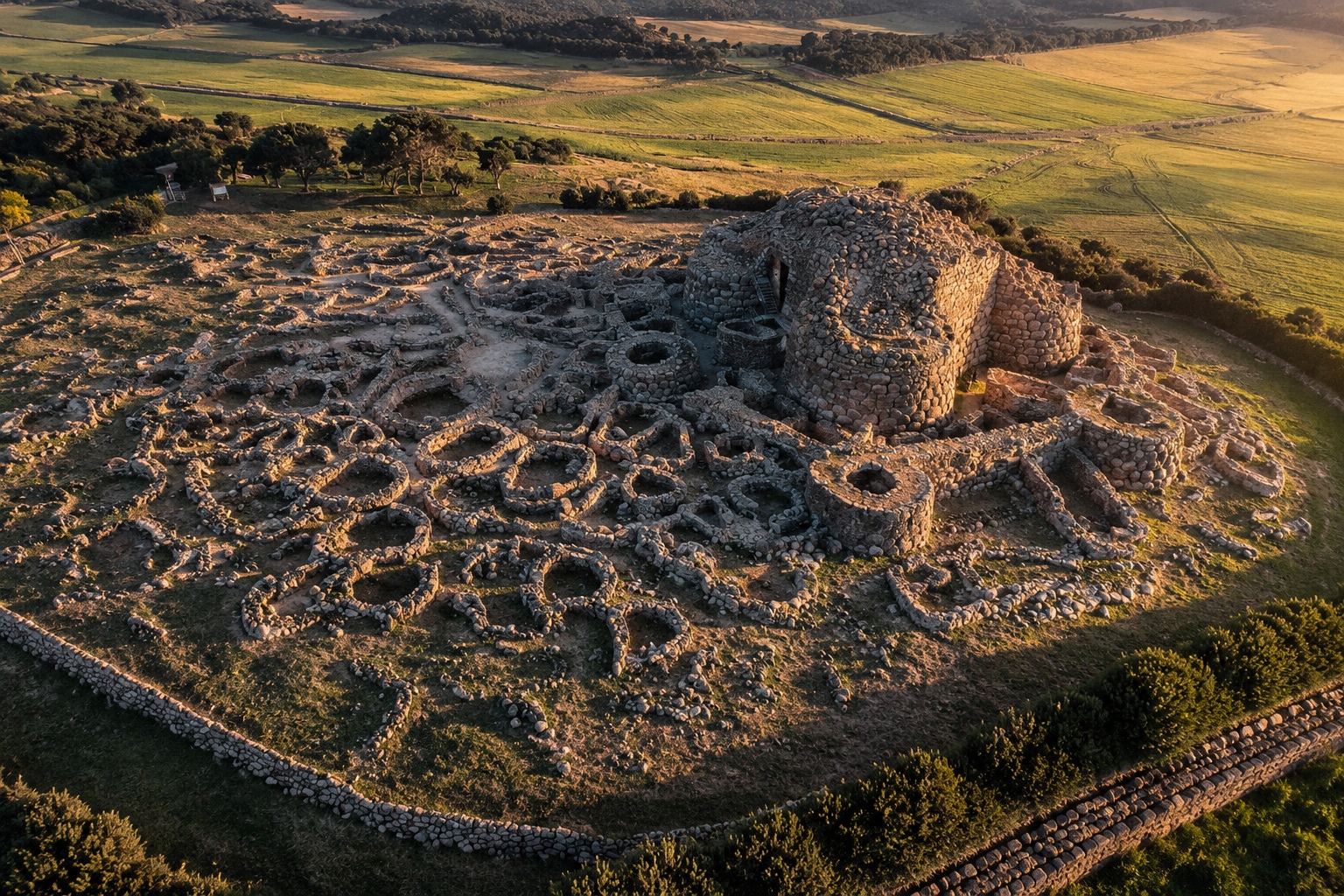

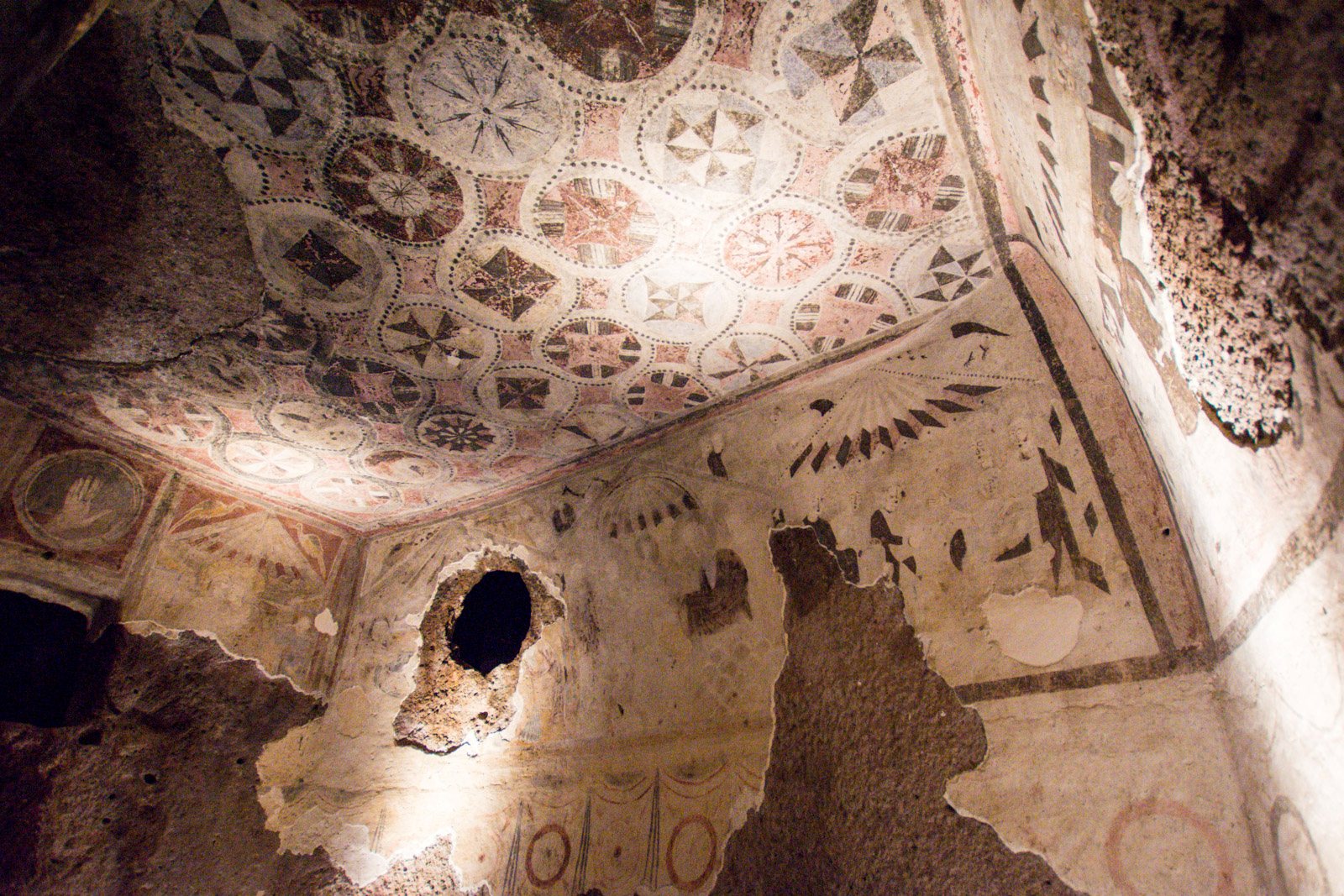
Plan an Archaeological Itinerary
Let us know which sites you’d like to visit, and we’ll create a tailor-made itinerary for you.